
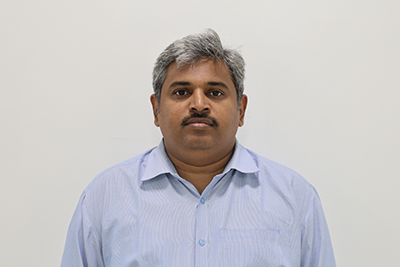
Priyadarshan Kinatukara
Ph.D., CSIR-Centre for Cellular & Molecular Biology (CSIR-CCMB)Assistant Professor, School of Biosciences
Priyadarshan Kinatukara
Ph.D., CSIR-Centre for Cellular & Molecular Biology (CSIR-CCMB)
Chahat Singh
Junior Research FellowThe emerging paradigm of cellular homeostasis through regulated lipid remodelling is only beginning to be fully understood. Compositional variations in vesicular lipids generated in vitro have long been established to modulate the physicochemical properties of membranes, such as metabolite diffusion and protein interactions. Recent advances in lipidomics and epilipidomics now reveal that dynamic changes in lipid species have broader implications for membrane transport, signal transduction, antimicrobial resistance, and beyond. Although the regulation of lipid chain length and head group proportions has been widely studied, the mechanisms underlying structural diversity—particularly variations in stereochemistry—remain poorly characterized. Characterizing these regulatory systems is an exciting opportunity to better understand the fundamental principles of lipid biosynthesis and reveal mechanisms with both clinical and industrial applications.
Key themes of research in the laboratory are
- Principles governing structural diversity in Bacterial and Archaeal lipid biosynthesis
- Dissecting lipid-mediated regulation of physicochemical properties of membrane
- Synthetic microbial platforms for sustainable production of glycerol-based metabolites and polymers.
Presently the laboratory is investigating glycerolipid biosynthesis in Archaea by integrating genetic engineering with biochemistry and structural biology tools. Understanding these pathways can provide valuable insights into the evolution of lipid biosynthetic pathways and their roles in cellular adaptation. In the long term, we aim to engineer microbial platforms by transplanting archaeal lipid biosynthetic machinery into bacterial hosts—enabling sustainable production of industrially relevant glycerol-based metabolites and glyceroligomers.
Priyadarshan has been a part of Chanakya University’s School of Biosciences since 2024. He is interested in structural biology of enzymes involved in lipid biosynthesis.
His doctoral work at CSIR-CCMB (2016) focussed on structural and biochemistry analysis of enzymes involved in the biosynthesis of non-membranous lipids such as polyketides and non-ribosomal peptides. During his post-doctoral tenure (2022), he demonstrated that the eukaryotic homologs of these enzymes are involved in regulating lipids of specific chain-lengths with implications in cell signalling and early eukaryotic evolution.
After briefly working as a Project Scientist at CSIR-IMTECH in the coveted PHENOME INDIA project, he moved to Chanakya University and is now investigating the cellular and physiological importance on regulating lipid diversity using E. coli and Haloferax as model systems.
Priyadarshan teaches Fermentation and downstream processing (BIO507), Synthetic biology and metabolic engineering & Bioethics (BIO505), Structure and Chemistry of Macromolecules (BIO502), Introductory Biology (BIO101) to undergraduate and postgraduate students.
- Ph.D. (Structural Biology and Biochemistry), CSIR-Centre for Cellular and Molecular Biology, 2016
- MSc (Biotechnology), Madurai Kamaraj university, 2009
- S. Paturi et al., “The mechanism of DRB7.2:DRB4 mediated sequestering of endogenous inverted-repeat dsRNA precursors in plants,” eLife, Mar. 2025, doi: 10.7554/elife.105762.1.
- P. Gnanasekar, S. Gambhir, P. Kinatukara, and A. Bhardwaj, “Functional (Re)Annotation of Mycobacteroides Abscessus Proteome Using Ai-Based Structural Features,” SSRN Preprint, Jan. 2025, doi: 10.2139/ssrn.5162980.
- S. Shambhavi et al., “Emergence of Dip2-mediated Specific DAG-based PKC Signalling Axis in Eukaryotes,” eLife, Jan. 2025, doi: 10.7554/elife.104011.1.
- S. Mondal et al., “DIP2 is a unique regulator of diacylglycerol lipid homeostasis in eukaryotes,” eLife, vol. 11, Jun. 2022, doi: 10.7554/elife.77665.
- G. S. Patil et al., “A universal pocket in fatty acyl-AMP ligases ensures redirection of fatty acid pool away from coenzyme A-based activation,” eLife, vol. 10, Sep. 2021, doi: 10.7554/elife.70067.
- P. Kinatukara et al., “Peri-natal growth retardation rate and fat mass accumulation in mice lacking Dip2A is dependent on the dietary composition,” Transgenic Research, vol. 29, no. 5–6, pp. 553–562, Nov. 2020, doi: 10.1007/s11248-020-00219-6.
- K. Priyadarshan and R. Sankaranarayanan, “Fatty Acyl-AMP ligases as mechanistic variants of ANL superfamily and molecular determinants dictating substrate specificities,” Journal of the Indian Institute of Science, vol. 98, no. 3, pp. 261–272, Jul. 2018, doi: 10.1007/s41745-018-0084-2.
- R. Raju, P. Kinatukara, R. Singh, R. S. Gokhale, and S. Rajan, “Mechanistic insights into substrate specificity of mycobacterial type-III PKS,” Acta Crystallographica Section a Foundations and Advances, vol. 73, no. a2, p. C247, Dec. 2017, doi: 10.1107/s2053273317093263.
- P. Kinatukara, G. S. Patil, R. S. Gokhale, and R. Sankaranarayanan, “Lipid metabolism enzymes ECH and R-domains maintain mycobacterial lipid diversity,” Acta Crystallographica Section a Foundations and Advances, vol. 73, no. a2, p. C254, Dec. 2017, doi: 10.1107/s2053273317093196.
- P. Kinatukara, K. D. Patel, A. S. Haque, R. Singh, R. S. Gokhale, and R. Sankaranarayananan, “Structural insights into the regulation of NADPH binding to reductase domains of nonribosomal peptide synthetases: A concerted loop movement model,” Journal of Structural Biology, vol. 194, no. 3, pp. 368–374, Mar. 2016, doi: 10.1016/j.jsb.2016.03.014.
- S. Srivastava et al., “Unsaturated Lipid Assimilation by Mycobacteria Requires Auxiliary cis-trans Enoyl CoA Isomerase,” Chemistry & Biology, vol. 22, no. 12, pp. 1577–1587, Nov. 2015, doi: 10.1016/j.chembiol.2015.10.009.
- P. Kinatukara, A. S. Haque, R. Raju, and R. Sankaranarayanan, “12. Structural Remodeling Creates Diversity in Lipid Repertoire of Mycobacterium tuberculosis,” Journal of Indian Institute of Science, vol. 94, no. 1, pp. 139–148.
- Member, American Society of Microbiology
- Member, American Society of Biochemistry and Molecular Biology
- Member, American Chemical Society
- 2021 Ben Barres Spotlight Award