Introduction and Visionary Framework
The Centre for Social Impact at Chanakya University successfully convened a one-day NGO Round Table Meeting titled “Urban Poverty and Slum Intervention: A Civil Society Dialogue.” This initiative was born out of a critical need to synchronize the intellectual rigor of academia with the lived experiences of grassroots organizations. Dr. Sudeshna Mukherjee, Director, Centre for Social Impact, opened the proceedings by articulating a clear vision for the Centre: to act as a catalyst that bridges the gap between theoretical social constructs and practical, field-level applications. She emphasized that for social impact to be both sustainable and measurable, there must be a seamless synergy between those who study social issues and those who intervene in them daily.
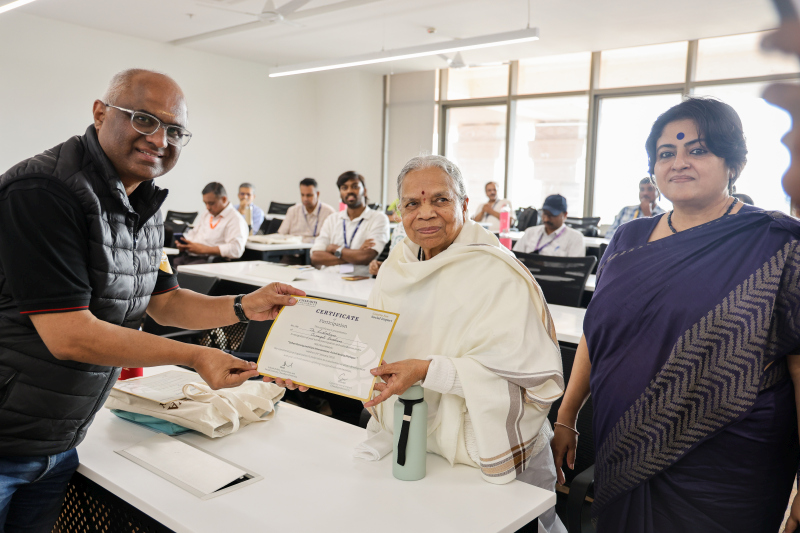
The session was further elevated by the presidential remarks of Prof. Bhavani M. R., Registrar (Evaluation). She reflected the broader spirit of Chanakya University, which seeks to revitalize the Indian Knowledge System (IKS) as a lens through which modern social problems can be solved. By advocating for an integrated and inclusive approach, the University positioned itself not merely as an educational body, but as a grounded partner in the quest for social justice.
The session was continued by Shri Venkatesh Murthy, Founder and Chief Mentor of Youth for Seva, who facilitated introductions by the participating NGOs. Each organization briefly presented its mission, focus areas, and field interventions. This enabled a clear understanding of the diverse grassroots efforts represented at the round table.
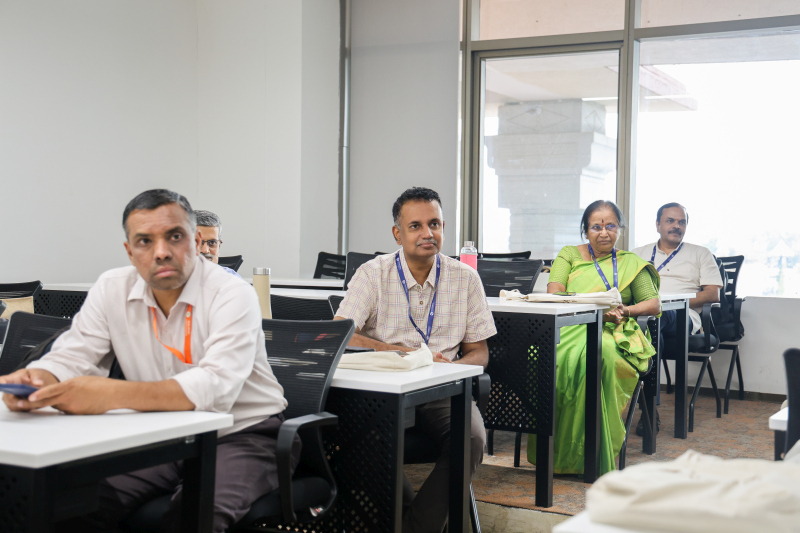
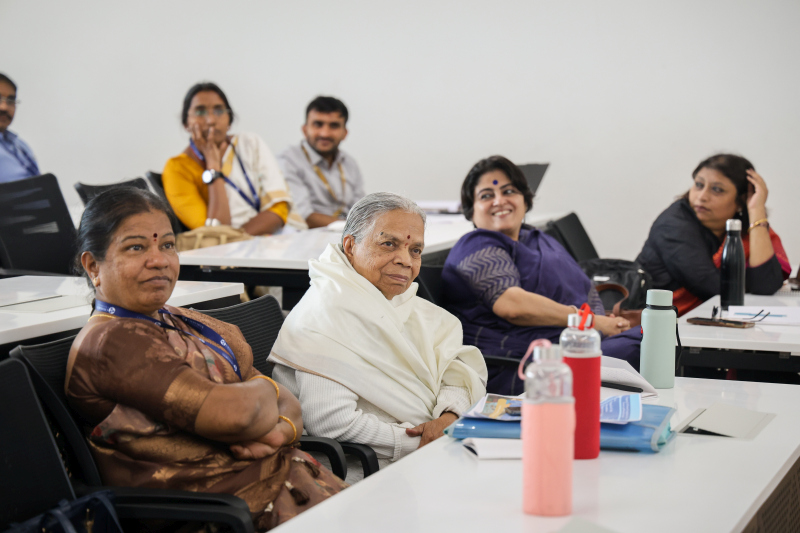
The heart of the round table was the active participation of a diverse cohort of NGOs, each representing a different facet of the struggle against urban poverty in Bengaluru. The dialogue provided a platform for organizations to share their specific action areas and success stories, revealing the staggering complexity of slum interventions. Rashtrotthana’s Seva Vasathi and Abhyudaya shared their extensive experience in providing holistic support and education within urban pockets of poverty, while Sparsha Trust focused on the critical necessity of child shelters and the protection of vulnerable youth. The conversation turned toward marginalized labor sectors through Stree Jagruti Samiti, which highlighted the ongoing fight for the rights and dignity of domestic workers.
The multidimensional nature of the meeting was further illustrated by the contributions of Buzz India Trust, focusing on financial literacy and women’s self-help groups, and AWEKSHA, which manages sensitive crisis interventions for women and children. Specialized care was a recurring theme, with Sumangali Sevashrama discussing the rehabilitation of women and Samarthanam providing insights into the empowerment of the differently abled. Furthermore, the Shilpa Foundation, Surabhi Foundation Trust, SSS Trust, and The Social Voices added layers to the discussion by addressing sanitation, burn victim rehabilitation, tribal women’s welfare, and the importance of using media to amplify the voices of the unheard. These narratives collectively painted a picture of a resilient civil society working tirelessly across sectors ranging from agricultural support to high-tech assistive interventions.
The second half of the program shifted from narrative sharing to strategic analysis. Facilitated by Smt. Savitha Sulugodu, CEO of SVYM, and Dr. Sathish Kattimani, Senior Lead at Allstate CSR, the second session delved into the technicalities of impact measurement. The facilitators emphasized that for NGOs to attract long-term support and scale their operations, they must adopt a dual approach that integrates quantitative metrics with qualitative human stories. This transition toward data-driven social impact assessment was identified as a primary need for the sector, ensuring that community transformation is not just felt, but proven through rigorous evaluation.
During the third session, led by Mr. Sudarshan of Prakarsha Academy, the dialogue turned toward the systemic challenges and implementation hurdles faced by these organizations. The stakeholders identified key constraints, including limited access to sophisticated data collection tools, a lack of specialized training, and the need for better project design frameworks. In a direct response to these needs, the Centre for Social Impact at Chanakya University made a landmark commitment to extend its institutional resources to the participating NGOs. This support will specifically focus on providing expertise in assistive technologies, developing robust data tools, and assisting in the formulation of effective project strategies.
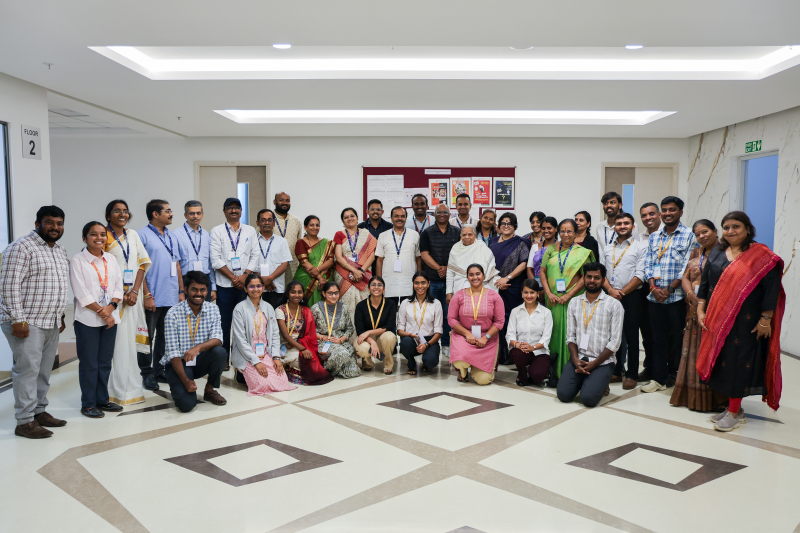
The meeting concluded with a valedictory address by Prof. Sushant T. Joshi, Registrar and Professor of Management. He commended the facilitators and the representatives from all twelve participating organizations for their unwavering commitment to integrating academic knowledge with grassroots action. Dr. Tukaram Badiger delivered the vote of thanks, closing a day that reaffirmed Chanakya University’s dedication to fostering an inclusive partnership with civil society. Through this dialogue, the University has set a precedent for how academic institutions can catalyze sustainable, research-based transformation while remaining deeply rooted in the Indian knowledge tradition.