Artistic Intelligence in the Age of AI
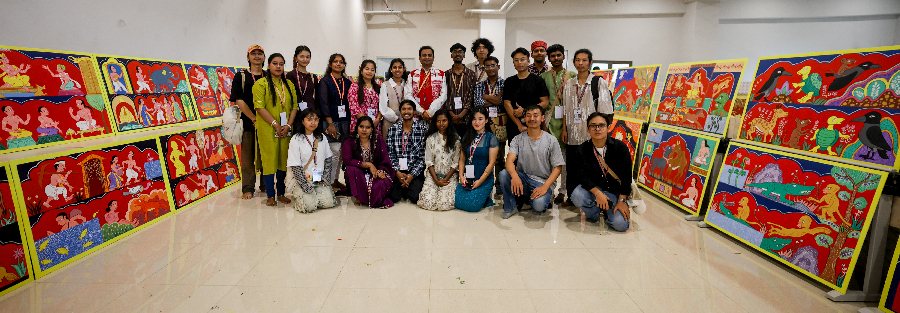
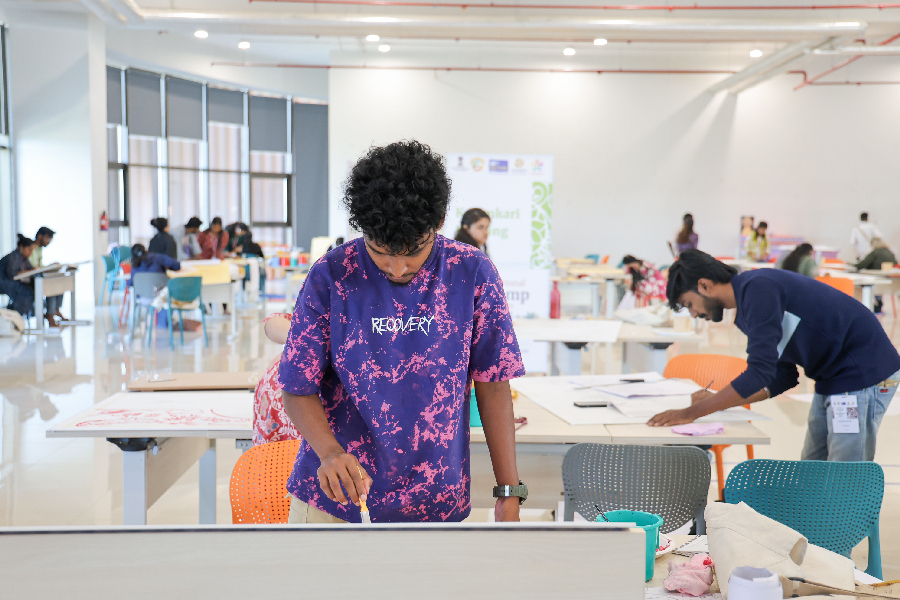
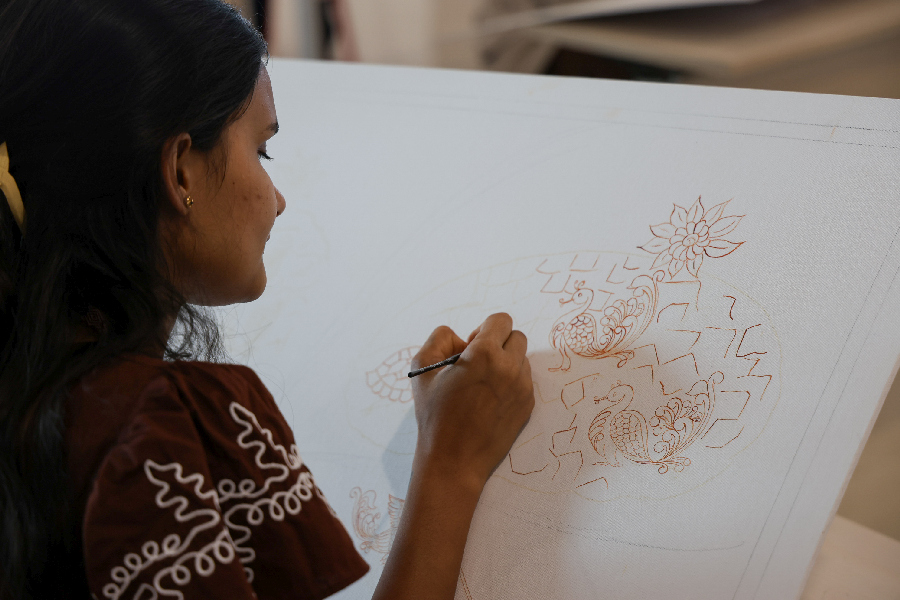
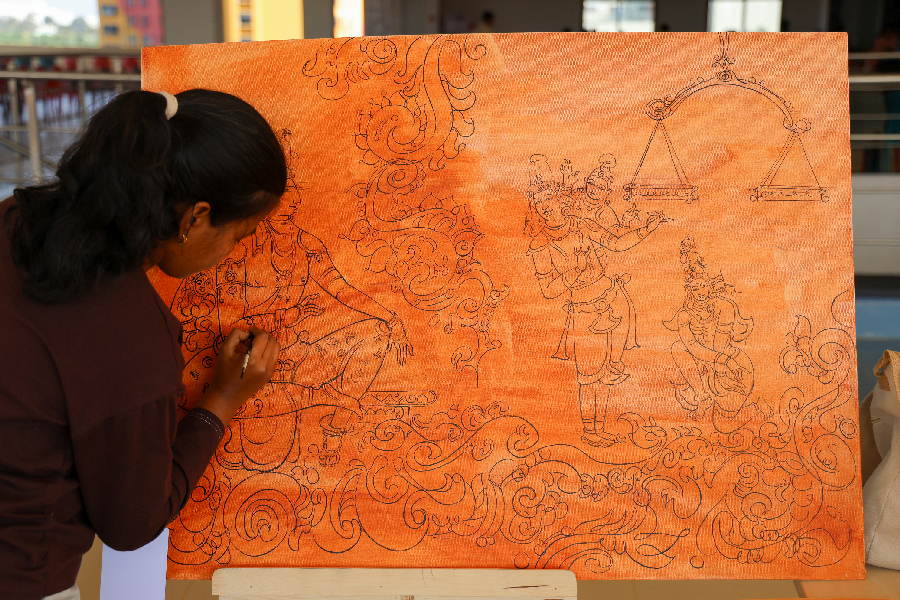
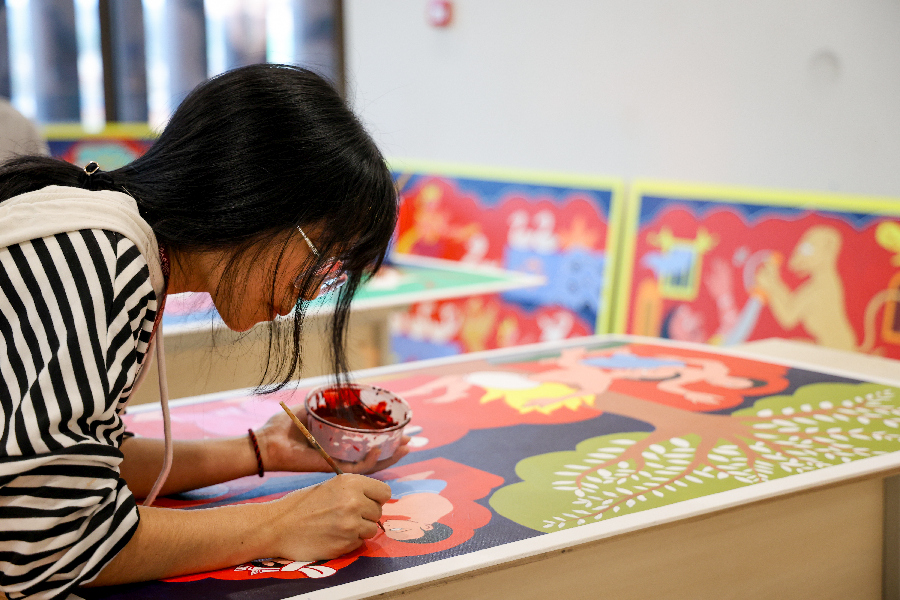
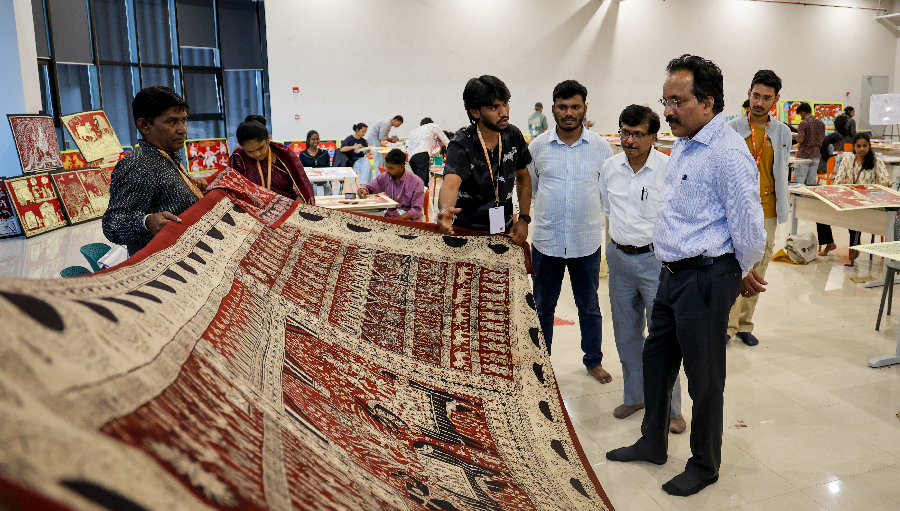
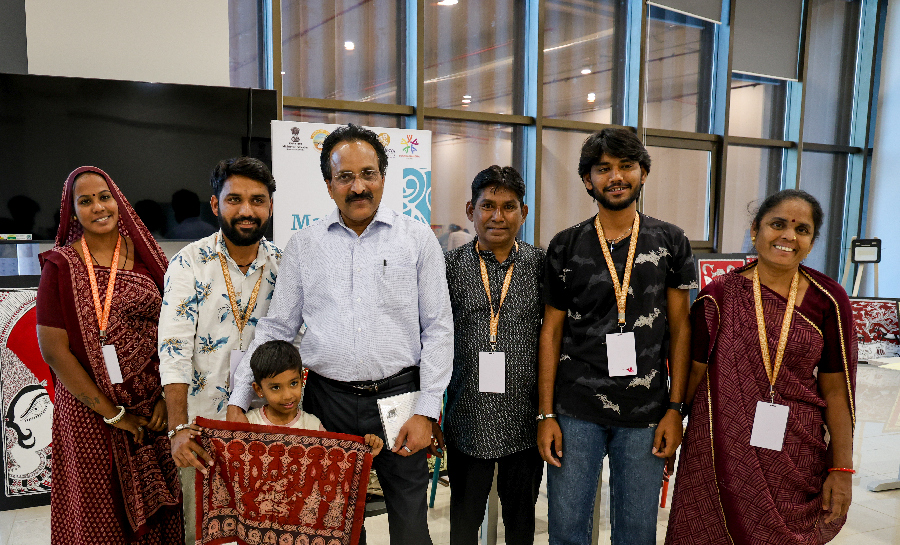
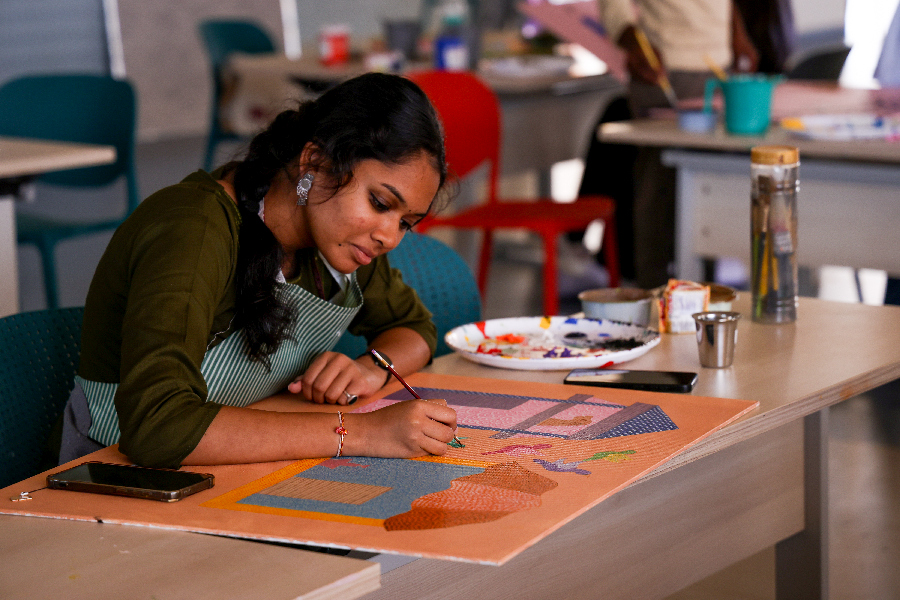
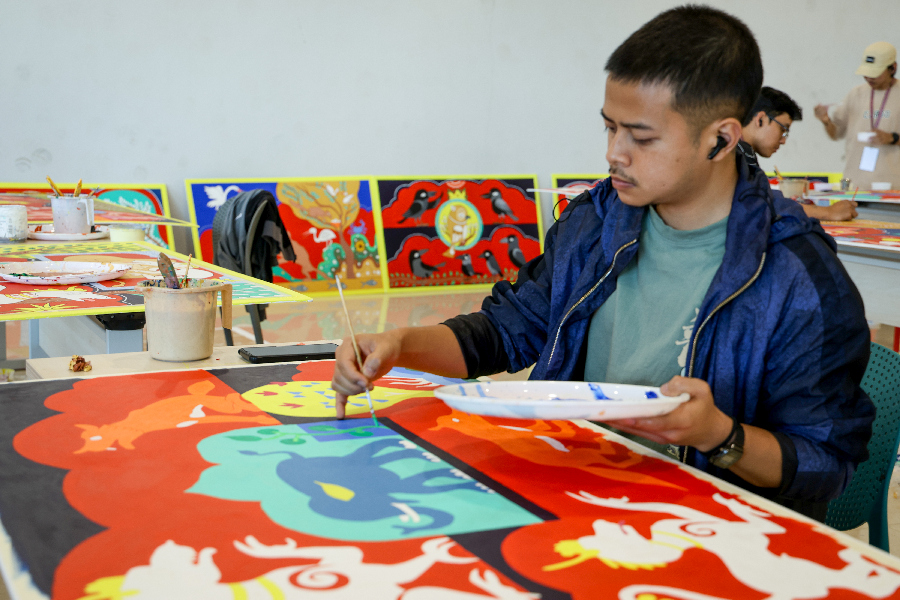
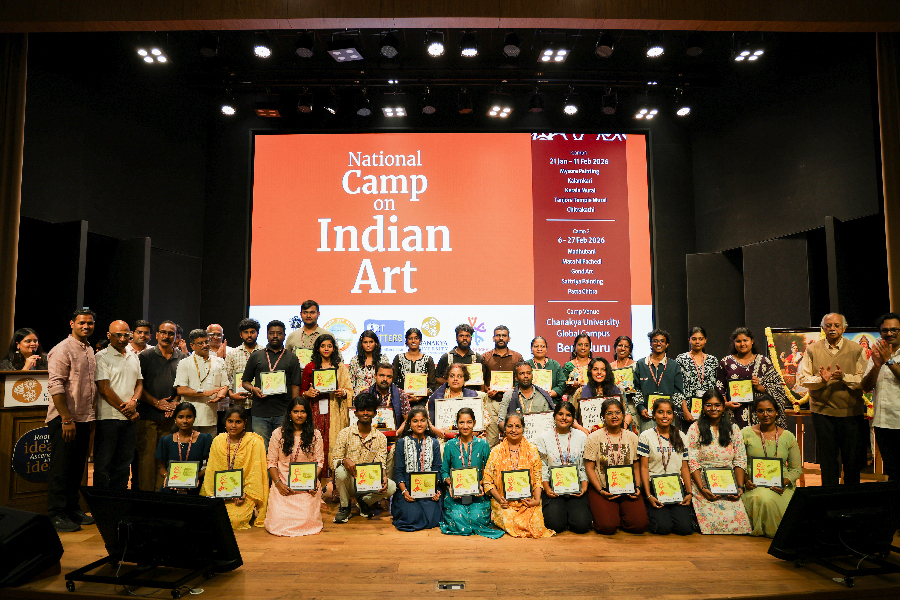
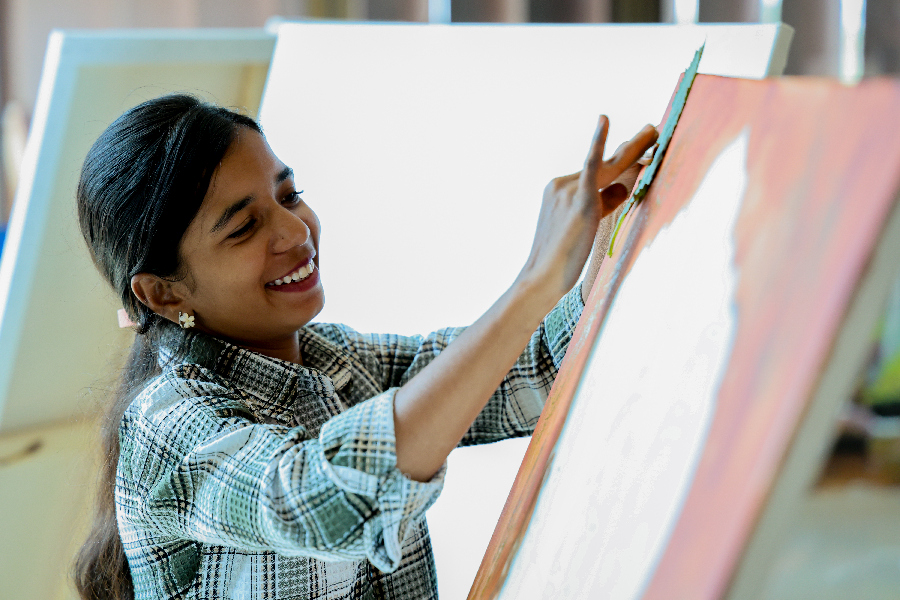
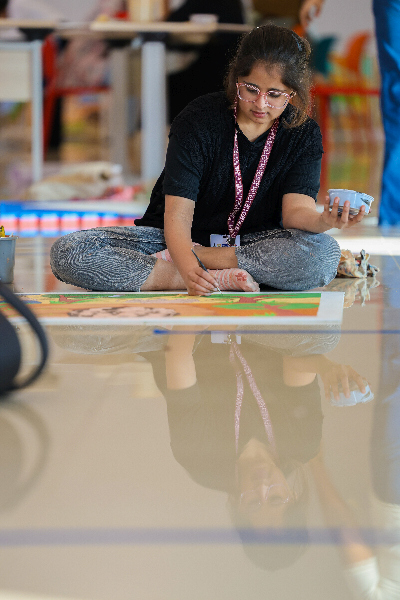
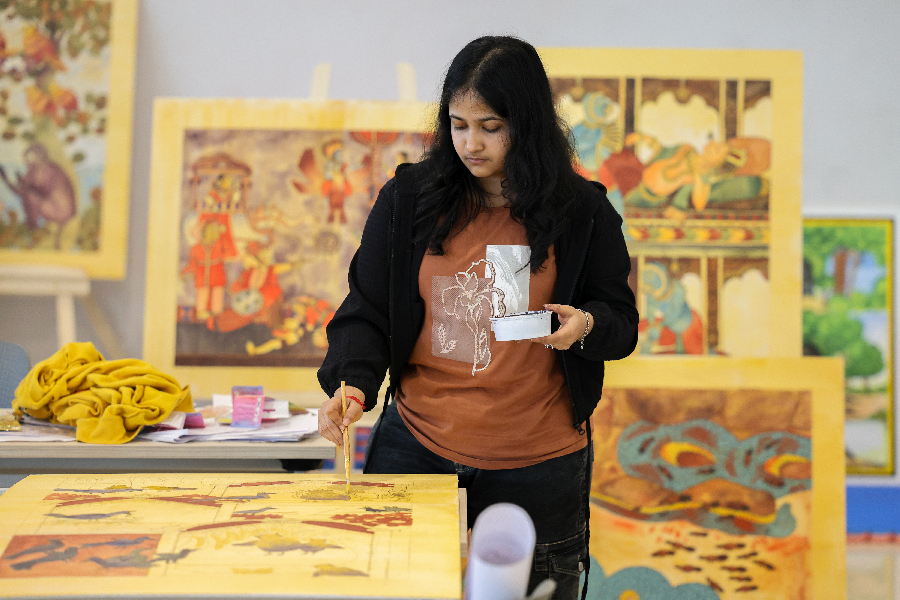
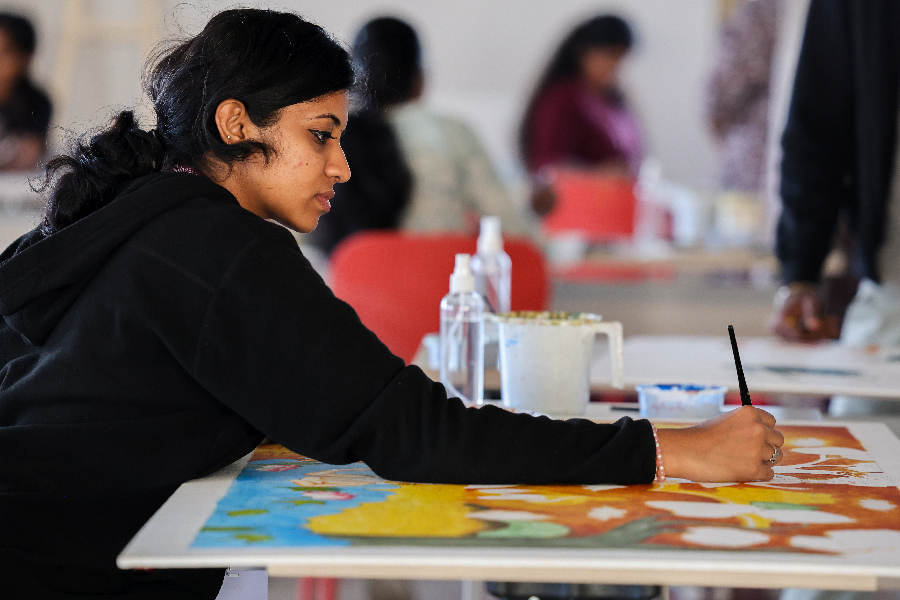
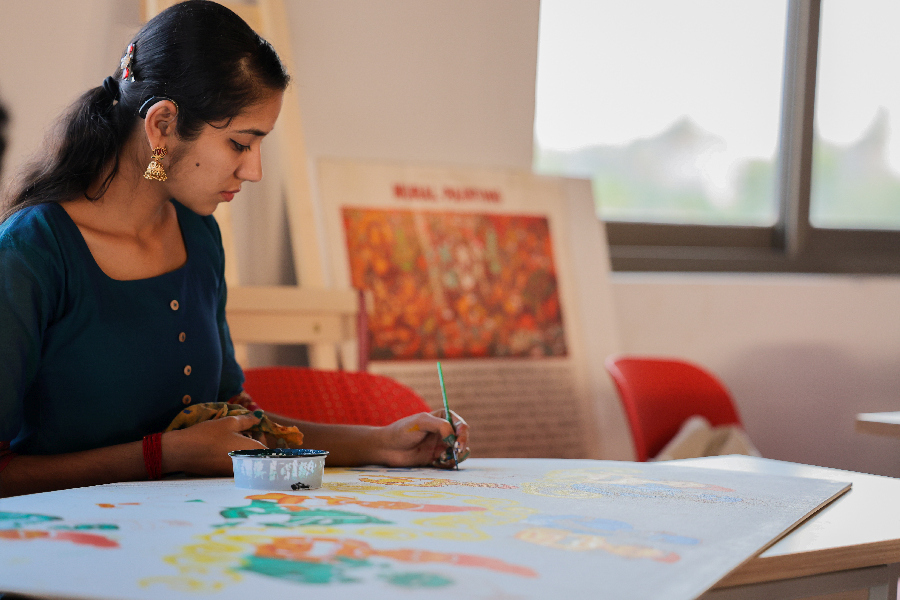
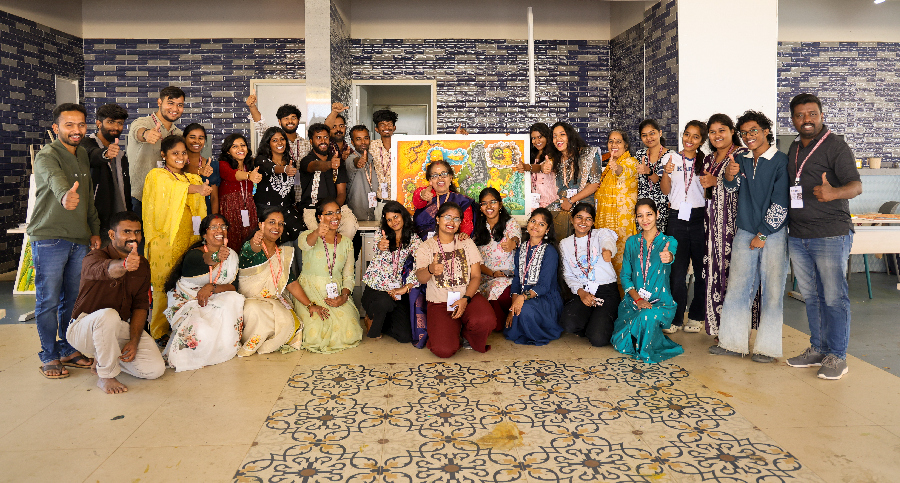
On the Chanakya University campus in Bengaluru, something quietly extraordinary has been unfolding. No screens, no software, only stone palettes, mineral pigments, stretched cloth, and gold leaf. The National Camp on Indian Art, initiated by Chanakya University in collaboration with the Indian Knowledge Systems Division of the Ministry of Education.
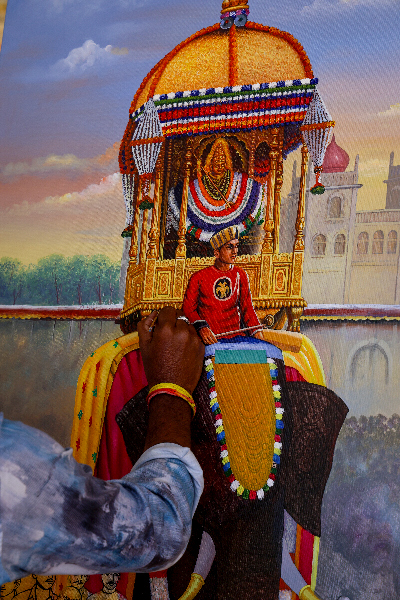
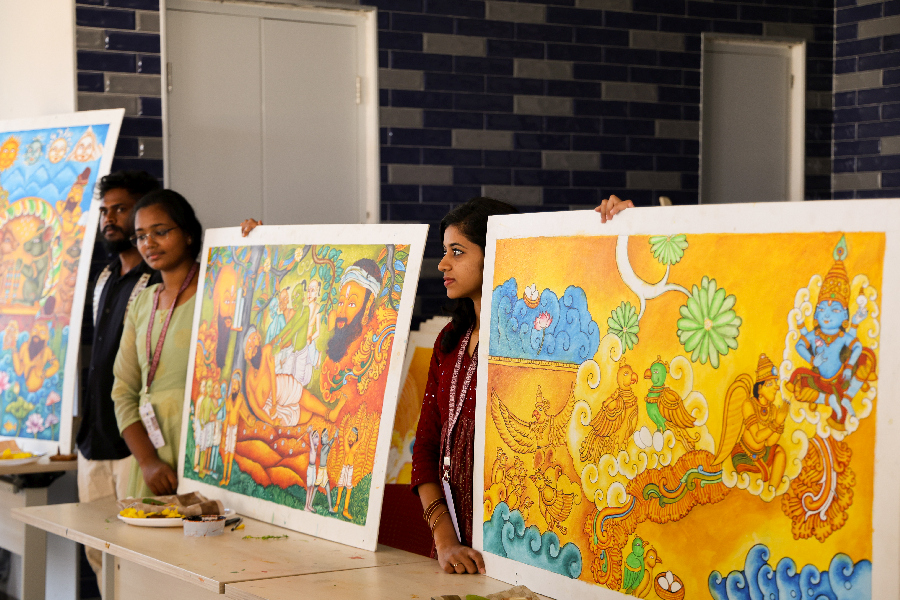
The shared narrative source was the Panchatantra, reinterpreted across ten distinct Indian art traditions, allowing the same stories of kings, animals, ethics, and wisdom to be visually encoded in radically different systems. The same jackal appears in Gond art pulsing with pattern, in Madhubani as a moral diagram, and in Mysore painting with courtly grace.
Ten Art Traditions Represented
- Madhubani (Shravan Paswan), Gond (Santui Singh Tekam), Warli, Kalamkari (K. Siva Prasad Reddy)
- Mysore Painting (K. S. Shri Hari), Kerala Mural (Sulochana Mahe), Tanjore Temple Mural (P. Thirunavukkarasu)
- Patta Chitra (Radha Shyam Rout), Chitrakathi (Prathibha Wagh), Mata Ni Pachedi (Jagdish Waghji Bhai Chitara), Sattriya Painting (Sujit Das)
Key Statistics:
- 10 Indian Art Forms
- 40 Expert Artists
- 90+ Panchatantra stories
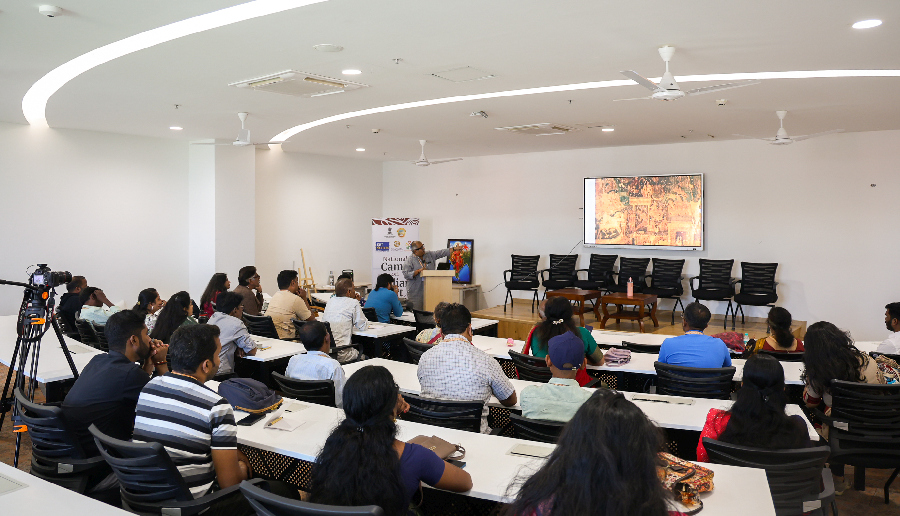
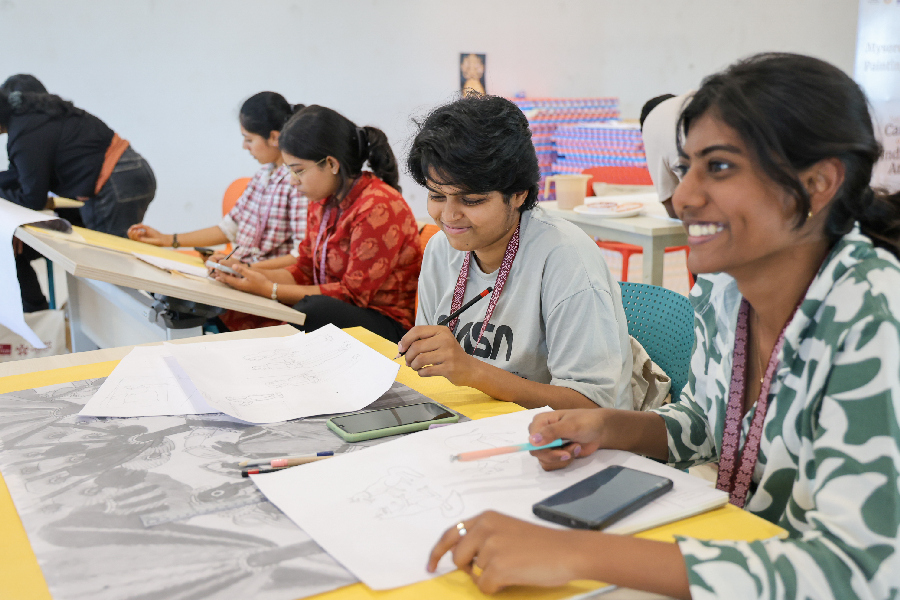
- 240 Participants in each camp
- 900+ Art Works
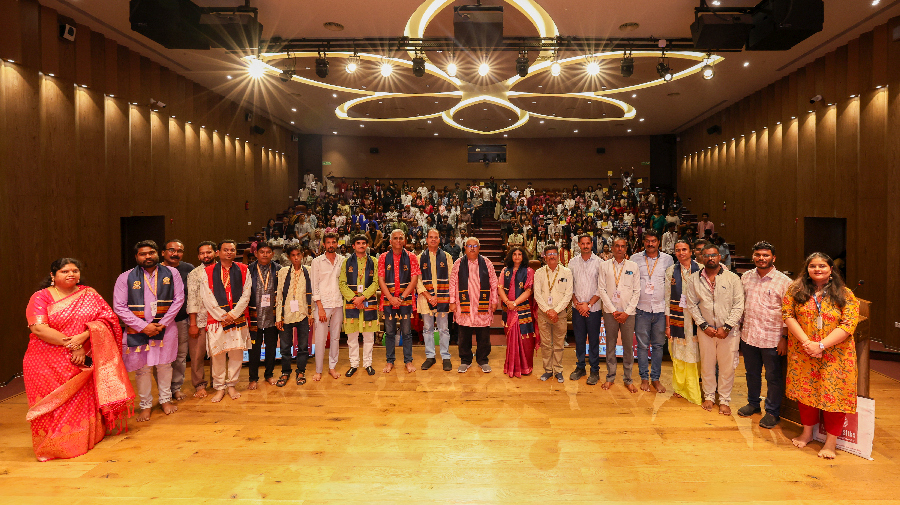
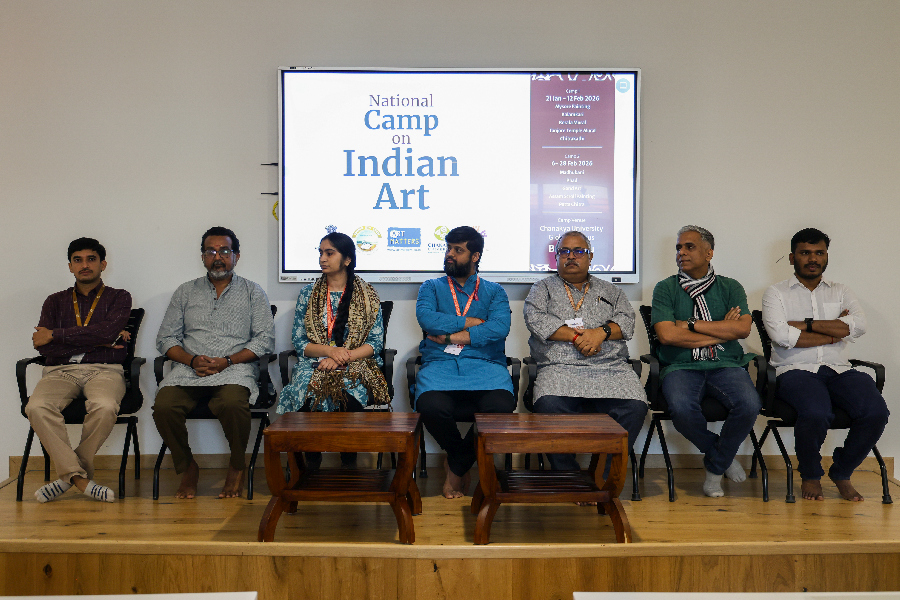
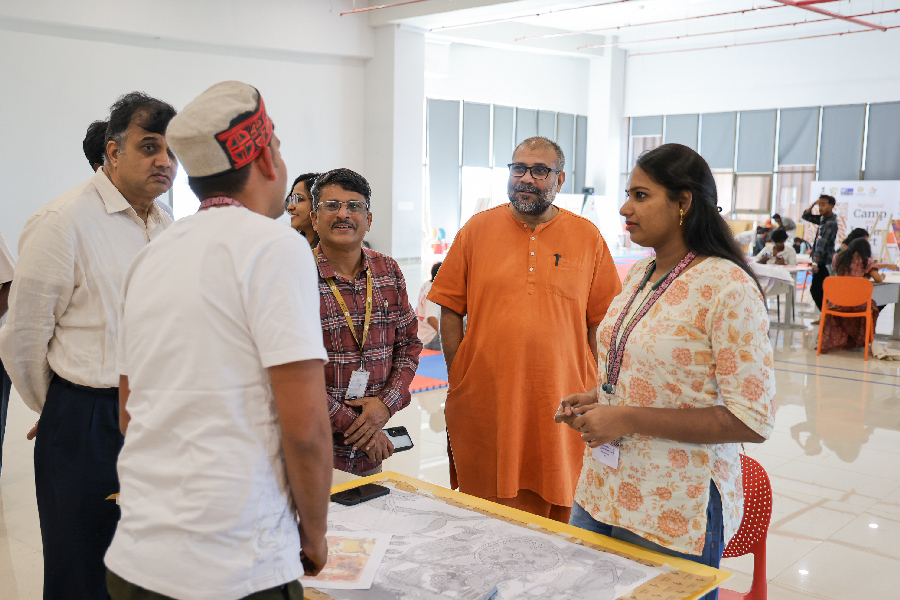
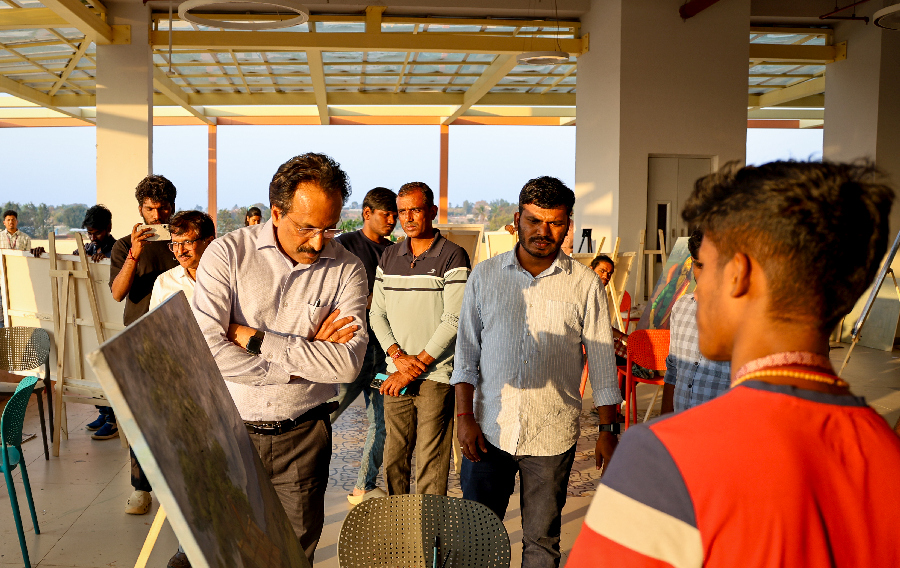
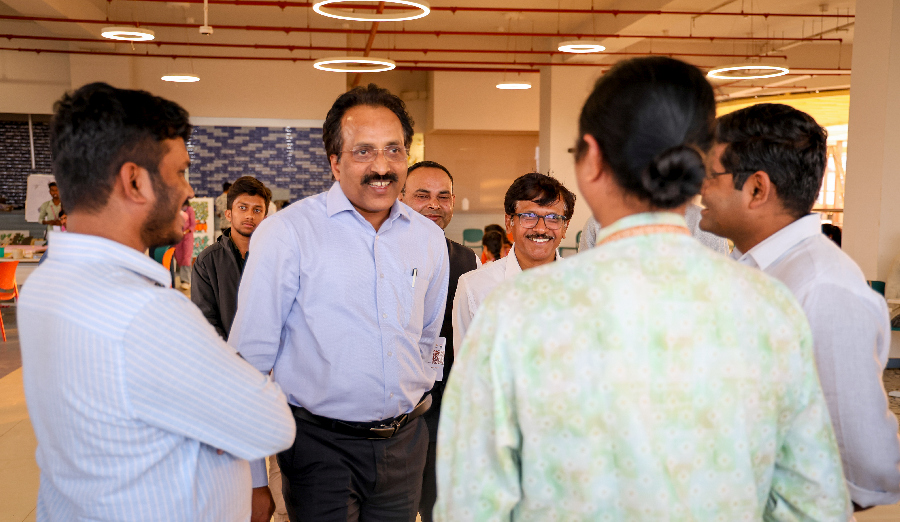
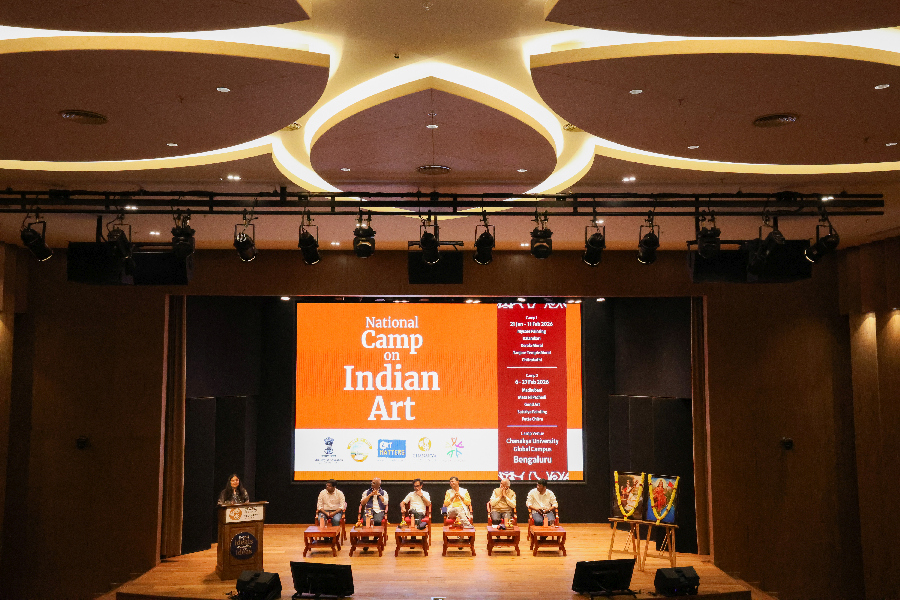
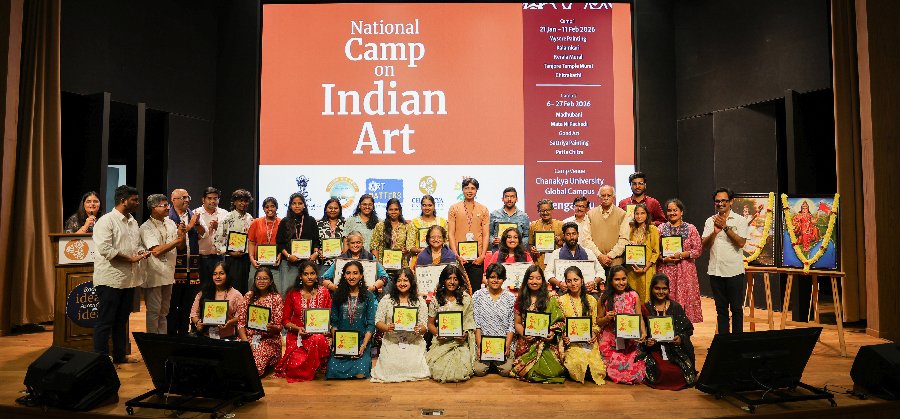
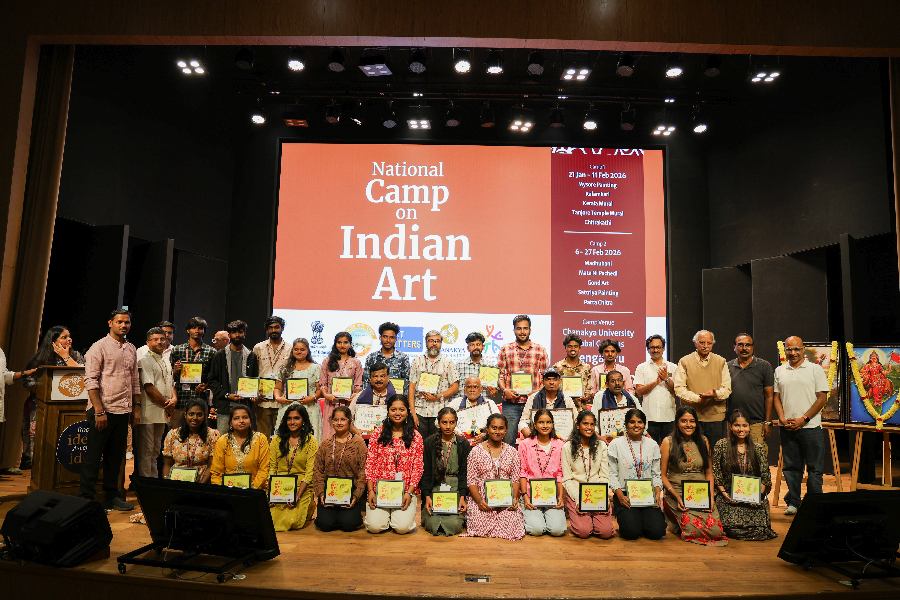
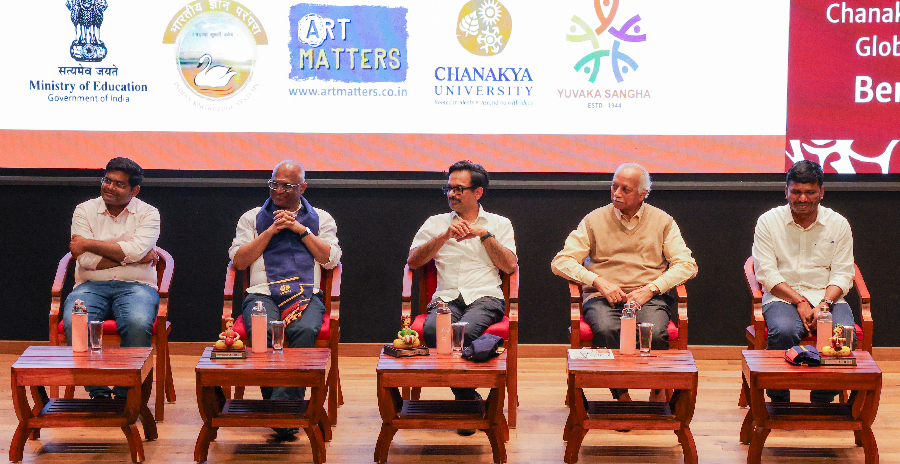
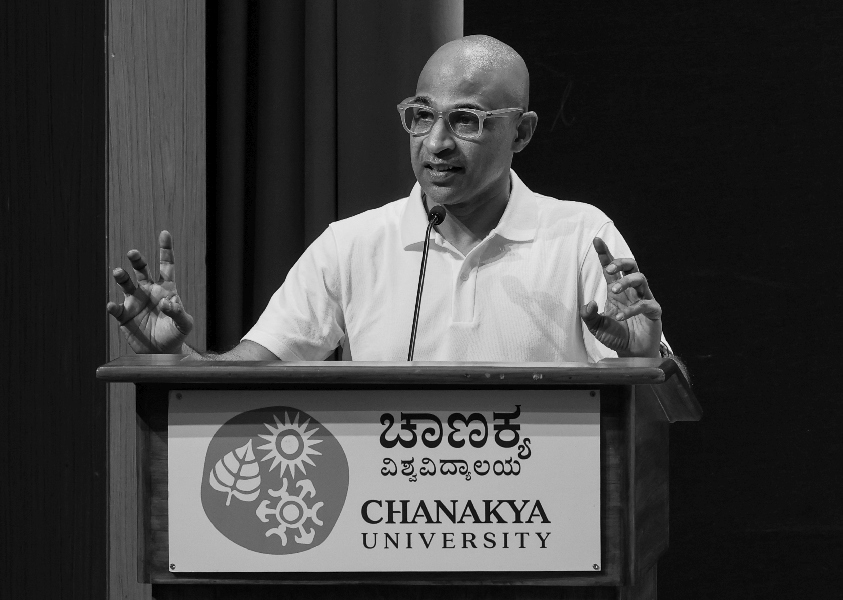
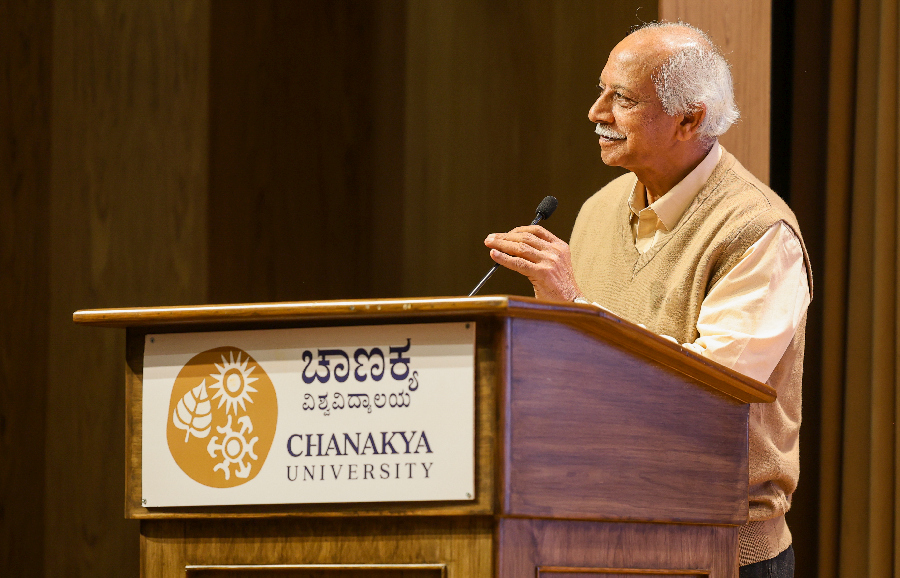
The National Camp on Indian Art 2026 was conducted in two distinct phases. Phase 1 commenced with its inauguration at Chanakya University in the presence of Chi Su Krishna Shetty, former Chairman, Karnataka Lalitkala Akademi; Prof. Yashavantha Dongre, Vice-Chancellor, Chanakya University; Mayur Channagere, Founder, AGNA; Shri Shivaprasad K. Achar, Mentor, Art Matters; and Yashasvi, representative of the IKS Division, Ministry of Education, Government of India. This phase saw the visual interpretation of 84 Panchatantra stories across traditional forms such as Chitrakathi, Kalamkari, Kerala Mural, Mysuru Painting, and Tanjore Painting.
Phase 2 focused on Gond, Pata Chitra, Mata ni Pachedi, Madhubani, and Sattriya painting traditions. All artworks will be digitally archived, with selected works reproduced and installed in Jawahar Navodaya Vidyalayas across India, bringing visual literacy rooted in tradition directly into school education.
The camp responds to a pressing concern: that traditional art forms are being diluted through commercialisation and disconnected classroom instruction. By restoring the primacy of original production and lineage-based learning, this initiative asserts something quietly radical, that in an age of AI-generated images, creativity is practice, not output; and intelligence is continuity, not computation.