A Three-Day International Conference on Antimicrobial Resistance
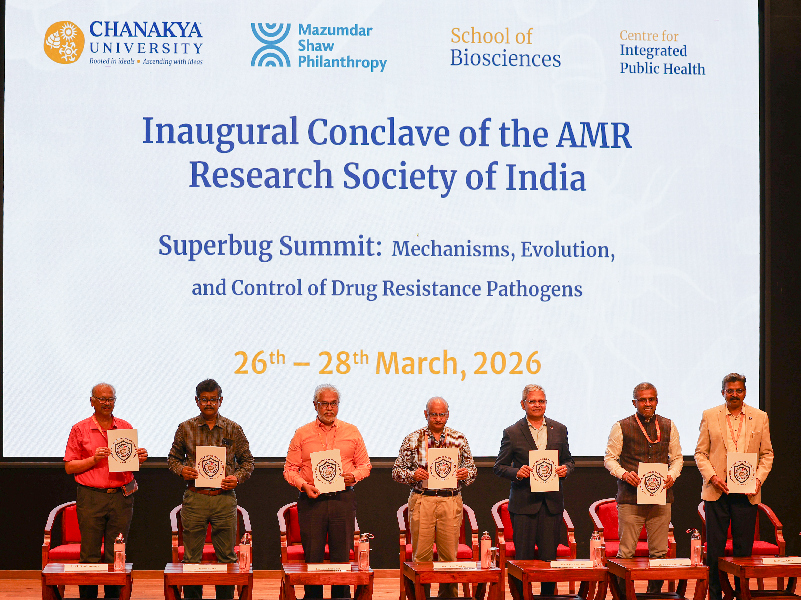
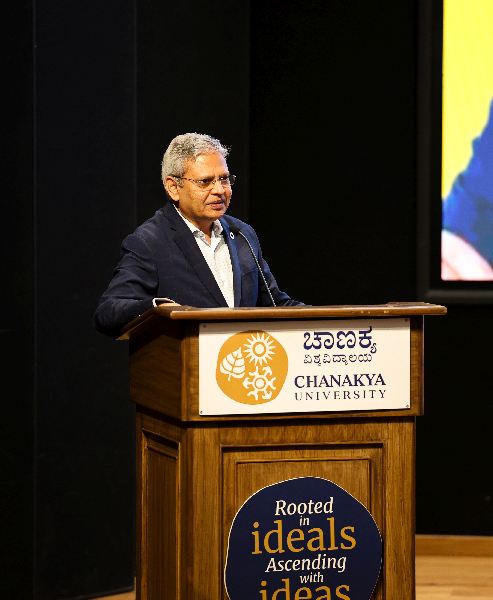
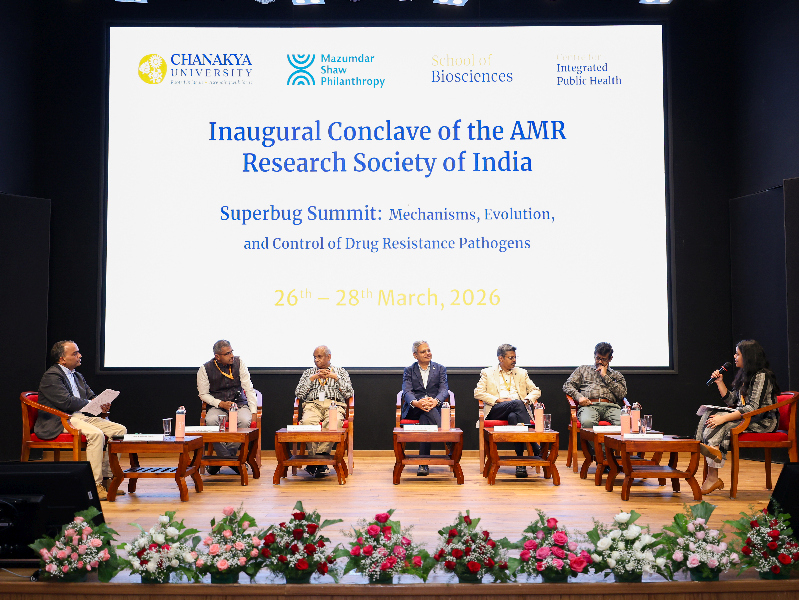
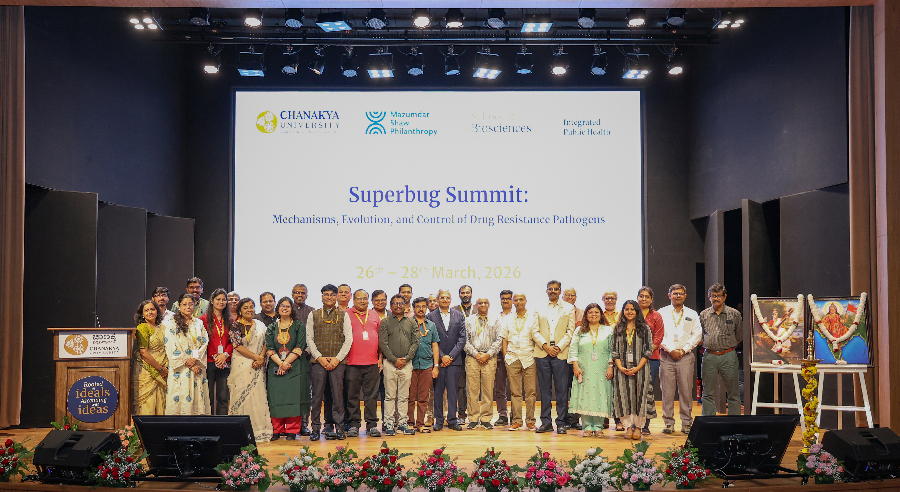
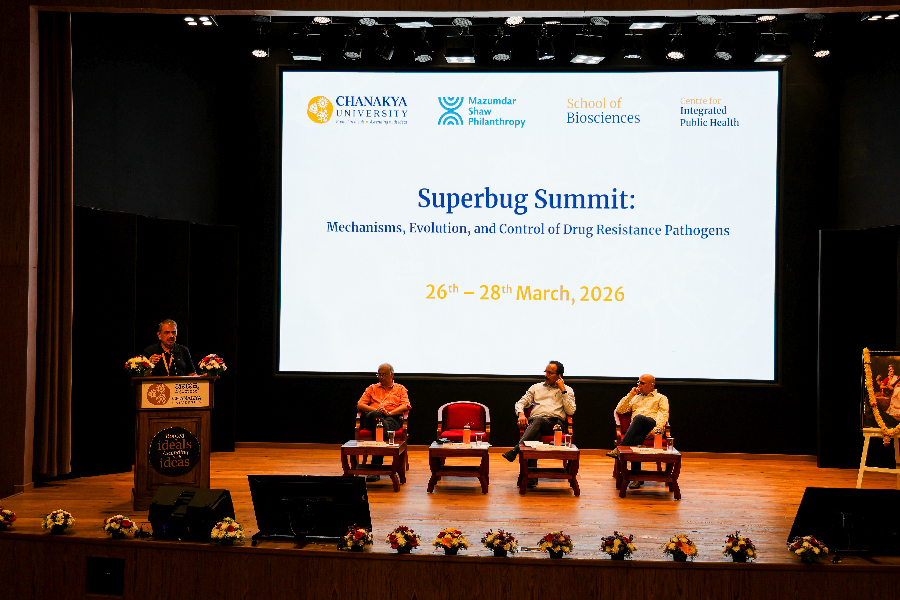
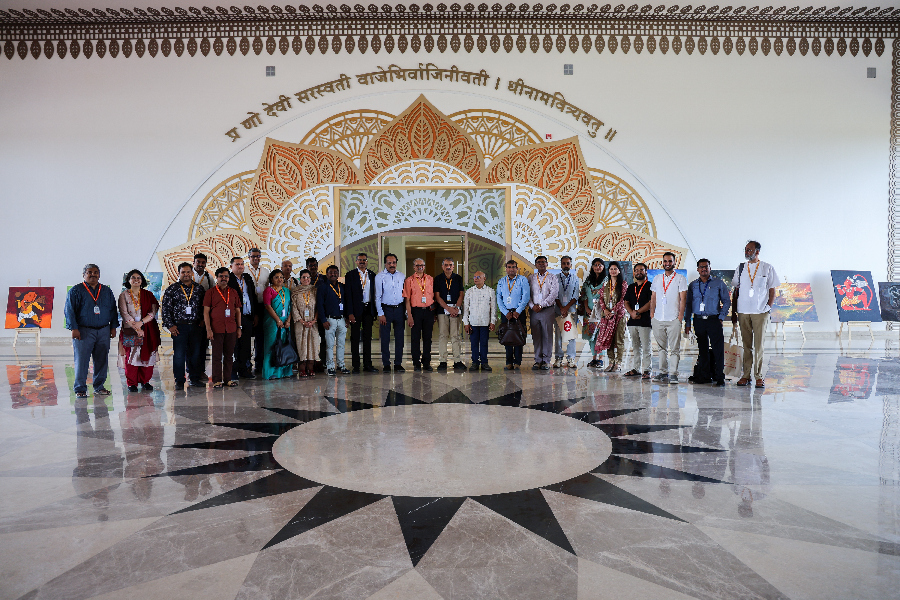
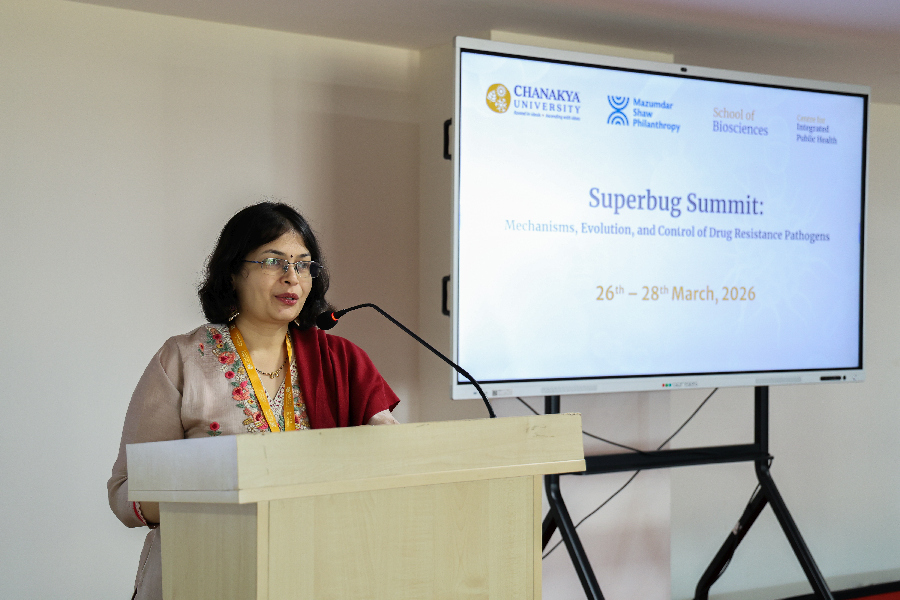
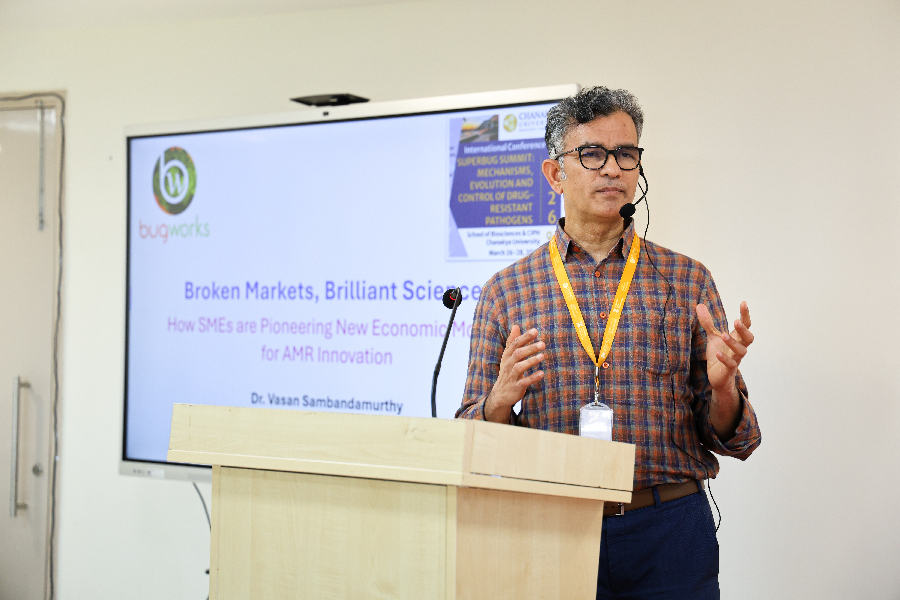
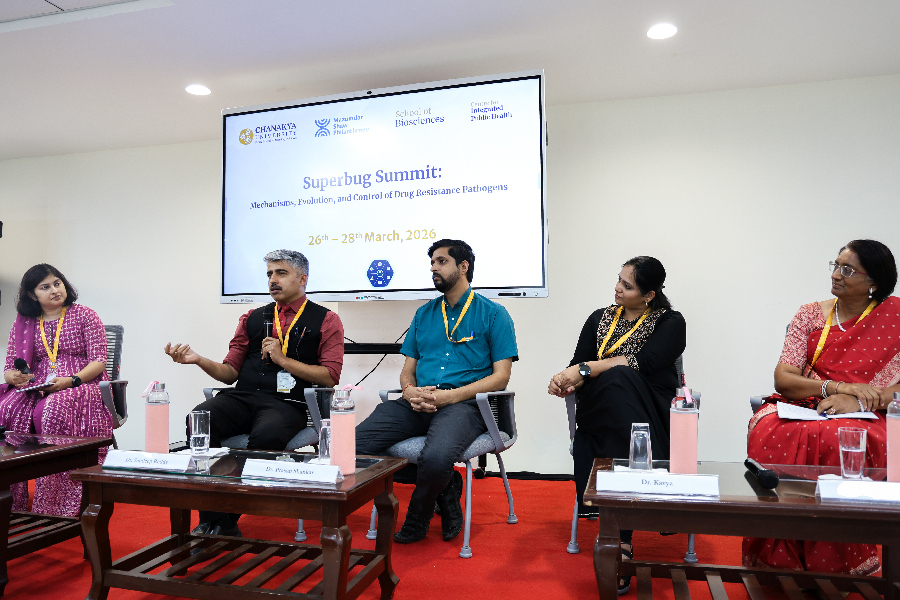
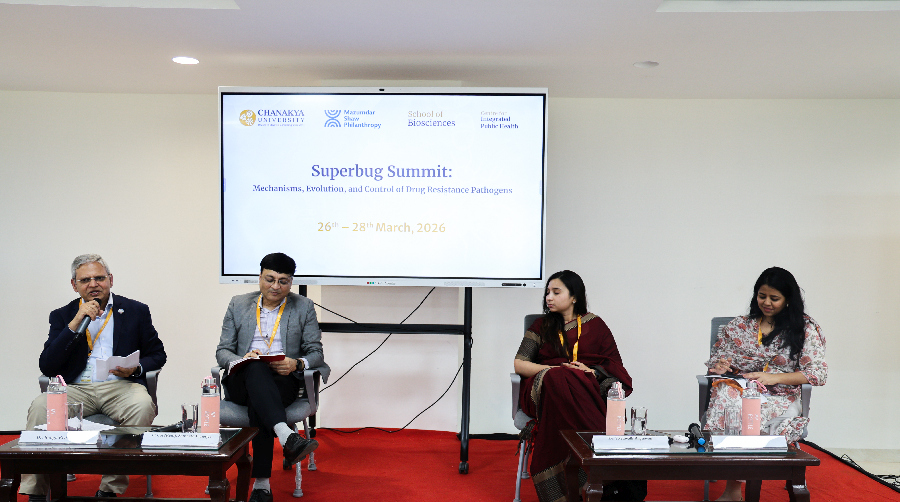
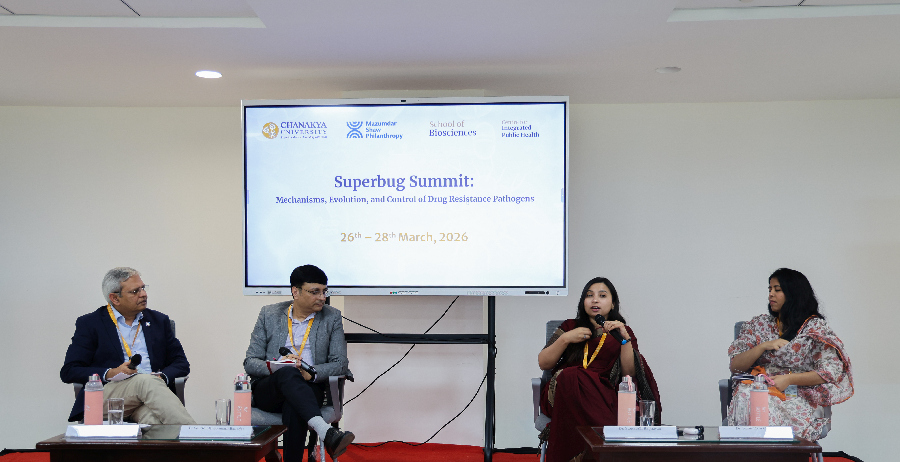
The University’s School of Biosciences successfully hosted the Superbug Summit 2026, a three-day international conference on antimicrobial resistance (AMR), held from 26 to 28 March 2026. The event was organized in collaboration with Mazumdar Shaw Philanthropy and the Centre for Integrated Public Health, bringing together researchers, clinicians, policymakers, and students from across India and beyond.
Scientific Themes
The summit was structured around four interconnected scientific themes that collectively addressed the AMR crisis from bench to policy.
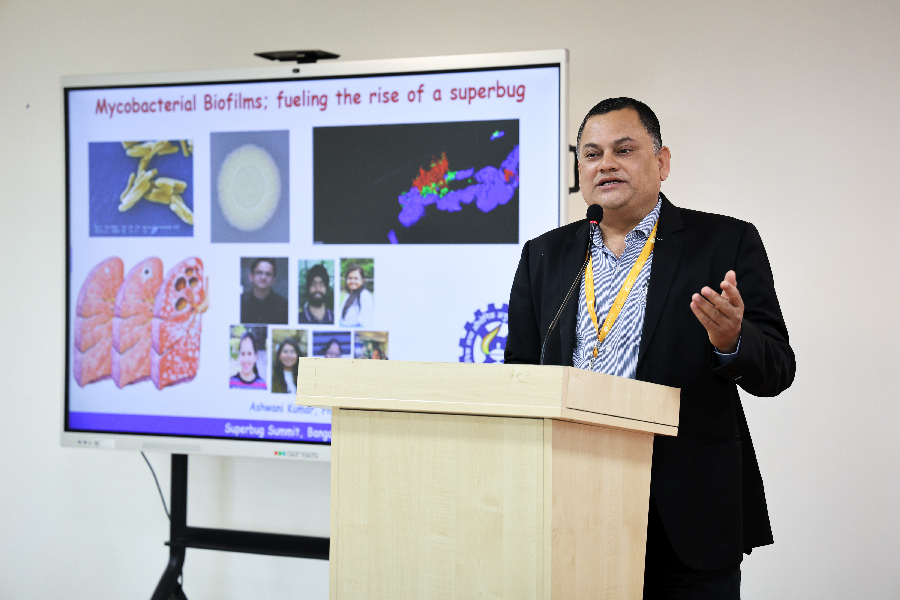
Theme 1: Molecular, Biochemical, and Evolutionary Mechanisms of AMR sessions examined how pathogens acquire, express, and transmit resistance, covering topics such as horizontal gene transfer, efflux pump regulation, biofilm formation, and the evolutionary pressures that accelerate resistance development. Discussions highlighted cutting-edge genomic and structural biology tools being deployed to map resistance pathways at molecular resolution.
Theme 2: Clinical Microbiology, Therapeutics, and Antimicrobial Stewardship brought hospital clinicians and microbiologists into dialogue with researchers, addressing the real-world challenge of managing drug-resistant infections. Sessions explored novel therapeutic pipelines including phage therapy, combination drug strategies, and the critical role of stewardship programmes in rationalising antibiotic use within healthcare settings across India.
Theme 3: AMR in Agriculture and Veterinary Practices: Surveillance, Diagnostics, and Data-Driven Approaches addressed the One Health dimension of AMR, recognising that antibiotic overuse in livestock and agriculture is a major driver of resistance entering the human food chain. Presentations covered surveillance frameworks, rapid diagnostic tools for field settings, and the use of genomic epidemiology and machine learning to track resistance patterns across animal and environmental reservoirs.
Theme 4: Policy Frameworks, Regulation, and Global AMR Initiatives convened voices from public health, government, and international organisations to assess where India stands within the global AMR action agenda. Discussions spanned the National Action Plan on AMR, regulatory gaps in antibiotic manufacturing and over-the-counter sales, and India’s role in multilateral AMR governance forums.
The conference was convened by Dr. Krishna Kurthkoti (Chanakya University), with Dr. Saravanan Matheshwaran (IIT Kanpur) serving as Co-Convener. The organizing committee comprised Dr. Shubhada Hegde and Dr. Priyadarshan KinatuKara, both from Chanakya University.
Sri J. P. Nadda, Union Minister of Health and Family Welfare, Government of India (in his virtual address), said:
“Antimicrobial resistance is one of the most pressing public health challenges of our time. India has taken significant steps through the National Action Plan on AMR, but what is now required is coordinated, multi-sectoral action. Responsible antibiotic use and a shift away from self-medication towards evidence-based care must become a national priority.”
Day 1
Day 2




Day 3