
Centre for Sustainability
The Centre for Sustainability aims to be a leading research centre in India for studies on Sustainable development, Fostering innovations and Empowering communities to create a resilient and equitable future for all.

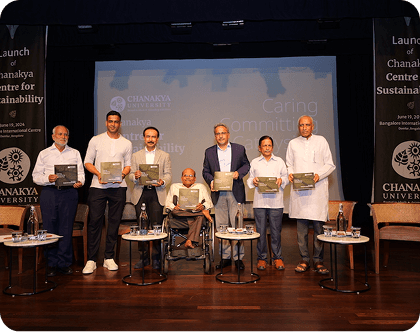
Launch of
Centre for Sustainability
1. Vision : Sustainability of Natural Resources to address improved quality of life.
2. Mission : Research on Technologies and Processes to protect & conserve natural resources with the goal of achieving sustainable livelihoods.
3. Objectives : Conduct specific research on
- Soil and Agriculture Systems in diverse agro-climatic conditions;
- Water resources management in both urban and rural setup;
- Biomass and Carbon related studies, including Blue Carbon in coastal regions;
- Emphasis on traditional knowledge for sustainability;
- Behavioral sustainability rooted in Indian Knowledge System.
Thrust areas of Research
Sustainable Agriculture and Agricultural Materials
Urban Water Management with focus on Bengaluru

Soil Conservation for Ecological Balance
Behavioral Sustainability rooted in Indian Knowledge Systems
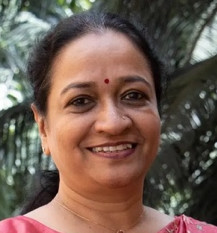
Dr. Indu K. Murthy
Member Sector Head – Climate, Environment and Sustainability, Center for Study of Science, Technology and Policy, Bengaluru
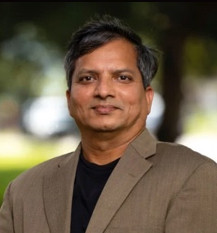
Prof. Vijaya Gopal Kakani
Member Professor, Associate Director of Research, Global Food Systems Institute, University of Florida, USA
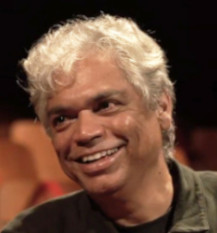
Shri Prakash Belawadi
Member Co-Founder, Centre for Film and Drama, Bengaluru
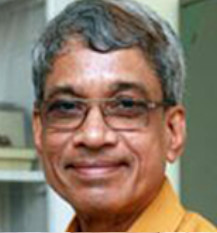
Prof. Janakarajan
Member President, South Asia Consortium for Interdisciplinary Water Resources Studies, Secunderabad, Telangana
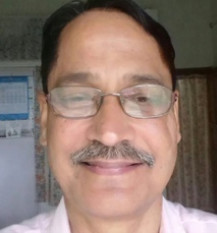
Prof. B.K. Tiwari
Member Retired Professor, Department of Environmental Studies, North-Eastern Hill University, Shillong
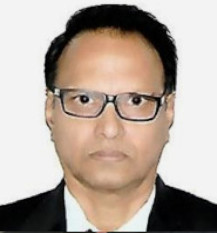
Dr. Bandi Venkateswarlu
Member Former Director, CRIDA, Hyderabad & Former Vice-Chancellor, Vasantrao Naik Marathwada Krishi Vidyapeeth, Parbhani
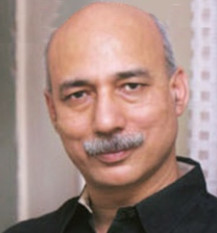
Prof. A.K. Gosain
Member Professor, Department of Civil Engineering, IIT Delhi
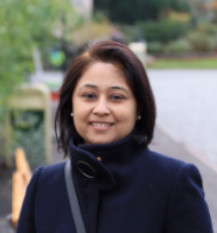
Prof. Anamika Barua
Member Professor, Department of Humanities and Social Sciences, IIT Guwahati
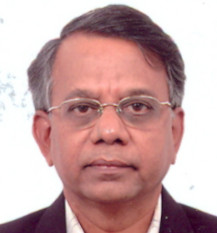
Prof. B.V. Venkataram Reddy
Member Retired Professor, Centre of Sustainable Technologies, IISc, Bangalore
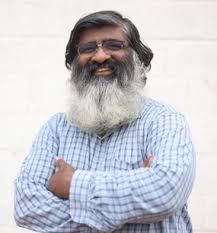
Shri. Shashi Kumar
Member Founder & CEO at Akshayakalpa | Organic Farming & Dairy
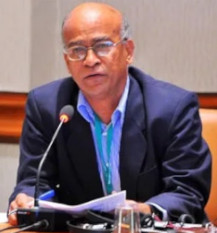
Prof. N H Ravindranath
Chairperson Retired Professor, Centre of Sustainable Technologies, IISc, Bangalore
Team
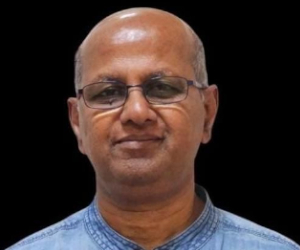
Prof P G Diwakar
Director – Centre For Sustainability
Former scientific secretary, ISRO
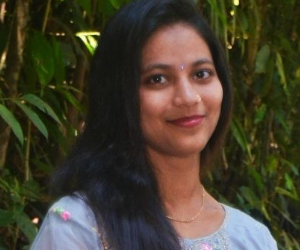
Meghashree Patgar
Associate – Centre For Sustainability
meghashree.p@chanakyauniversity.edu.in
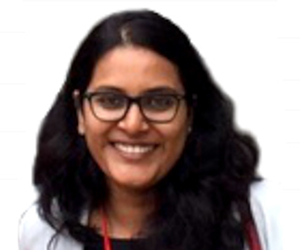
Dr. Deepthi Hebbale
Assistant Professor,
School of Biosciences.
Faculty Associate, Centre for Sustainability
Ph.D., Indian Institute of Science, India
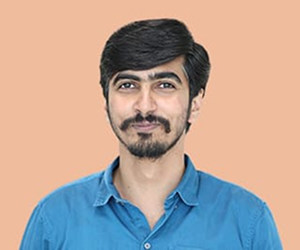
Dr. Kumaraswamy T R
Assistant Professor,
School of Biosciences.
Faculty Associate, Centre for Sustainability
Ph.D., Bangalore University, India
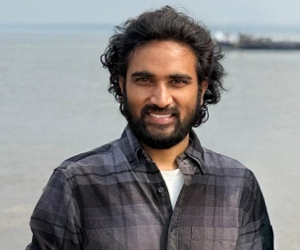
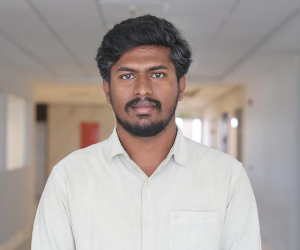
Dr. Koppineedi Veera Satish
Project Associate.
Centre for Sustainability
Ph.D., National Remote Sensing Centre (ISRO) in affiliation with Andhra University
Events and Conference
Workshop on AI-Driven On-Field Soil Health Assessment and Advisory
23
Feb 2026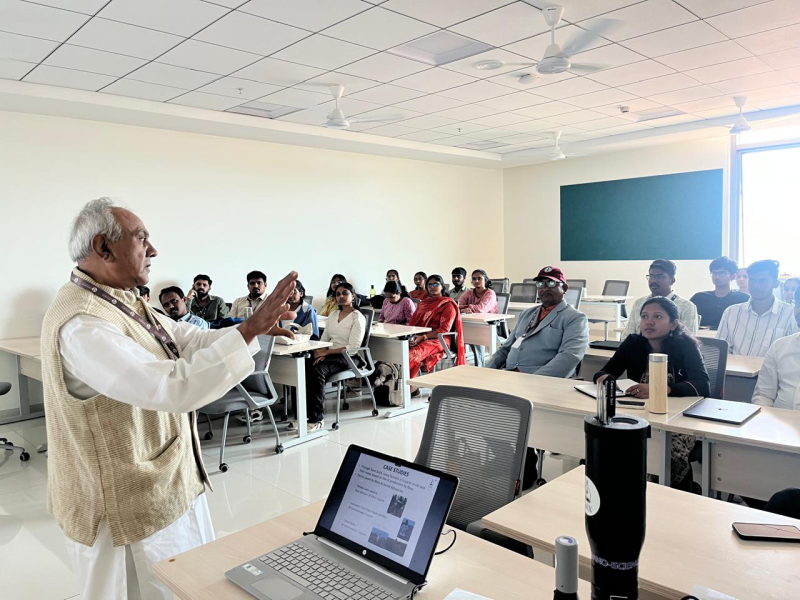
International Conference on Climate Adaptation and Resilience for a Sustainable Planet
19
Feb 2026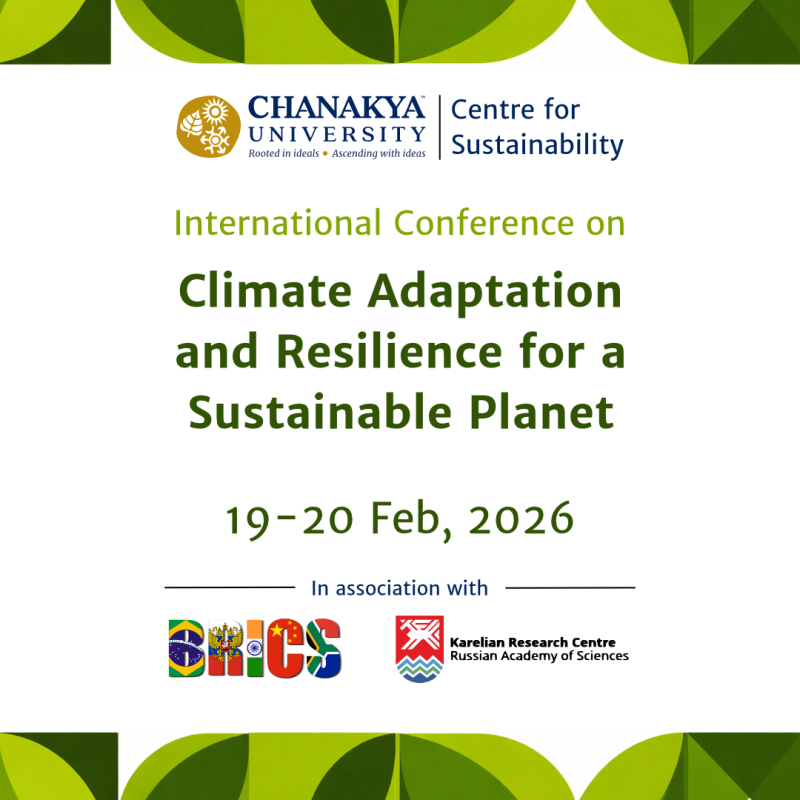
SAJEEV: A Living Framework
5
Jun 2025Rooted in Wisdom, Growing with Nature

Raita Siri 2025
24
Apr 2025Empowering Farmers, Bridging Knowledge
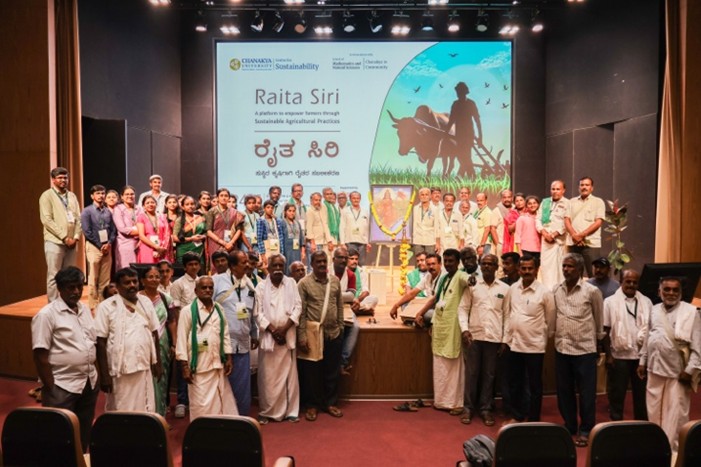
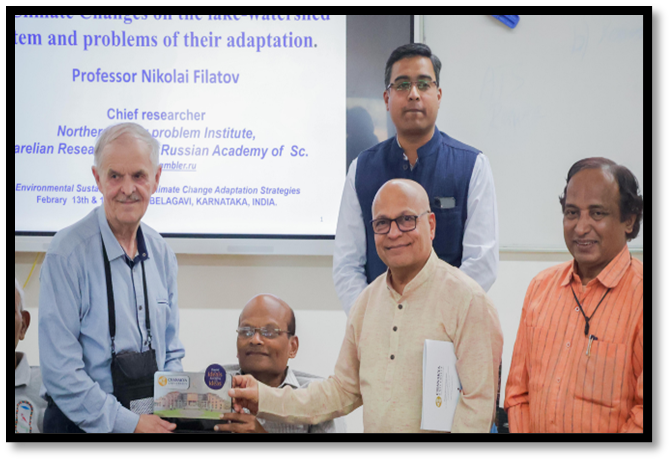
International Symposium on Climate Change
17
Feb 2025Addressing climate losses through infrastructure, innovation, and integrated governance
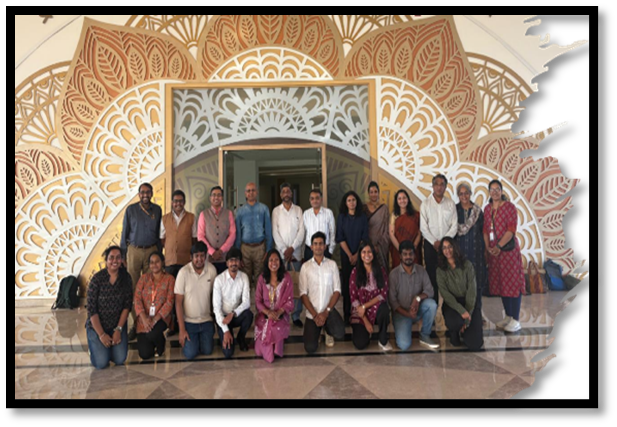
Round Table on Technology Interventions for Climate Change Mitigation
31
Jan 2025Data, policy, and grassroots innovation for sustainability
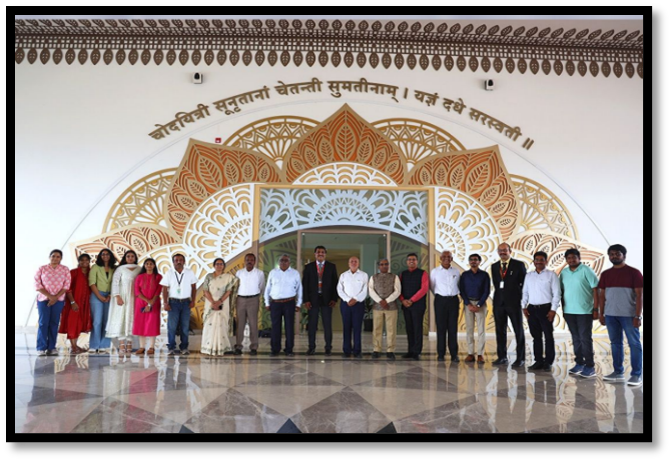
National Expert Workshop on Climate-Resilient Agriculture
24
Oct 2024Linking science, policy, and traditional knowledge
International Symposium on Social and Solidarity Economy
21
Oct 2024The New Economics for Sustainable Development
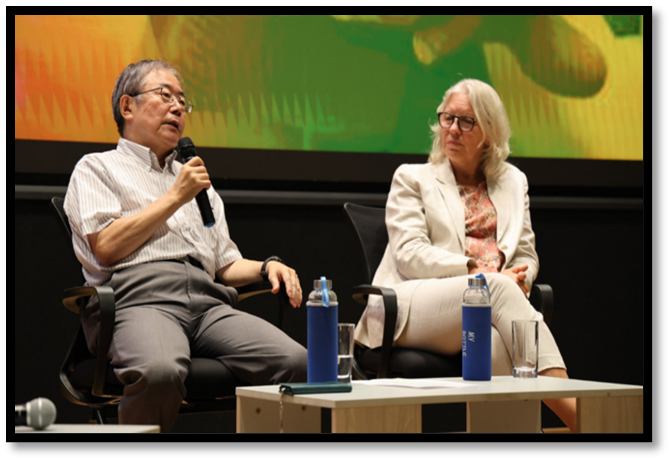
Building Sustainable Cities: A Social-Ecological Systems Perspective
9
Aug 2024Invited Talks & Webinars
Publications & Media

Book chapter: Hebbale, D., & Du, C. (2026). Biofuels and bioplastics from aquatic waste: Opportunities and challenges. In P. Kashyap, T. Sarkar, & S. Maqsood (Eds.), Aquatic waste valorization: Innovative approaches and sustainable strategies (pp. 291–308). Elsevier. ISBN 9780443440281..
Kumaraswamy, T.R., Choudhury, M., Ponappa, S., Majumdar, S. (2025). A Significance of Climate Resilience: Strategies for Local, Regional, and National Levels. In: Choudhury, M., Dixit, G., Majumdar, S. (eds) Sustainable Synergy: Harnessing Ecosystems for Climate Resilience. Climate Change Management. Springer, Cham (Published).
“Empowering Local Governance for Sustainable Development: Exploring India’s Path to Achieving SDG Localization” at International Conference, Global Goals 2024, University of Utrecht, Netherlands -28th – 30th August 2024; Dr T R Kumaraswamy and Prof. Chetan Singai (Published).
“India’s Agricultural Policies and Sustainable Development Goals: A Comparative Analysis for Social, Ecological, and Economic Indicators for Sustainable Agriculture” at International Conference, AERC Platinum Jubilee Conference on “Sustainability of Agricultural Sector: Issues, Challenges and Policy Matrix,” Pune – 23rd – 24th December 2024; Dr T R Kumaraswamy and Dr Chetan Singai (Published).
Dave, N., & Hebbale, D. (2025). The prospect of bamboo and non-fodder rice husk for sustainable bioethanol production. Environmental Science and Pollution Research, 1-14 (Published).
Approach Paper Published by the Centre on “Climate Resilient Agriculture”
Infrastructure
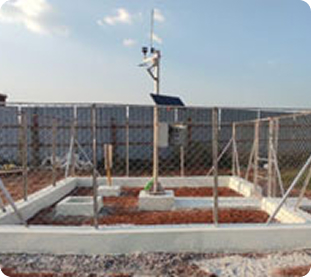
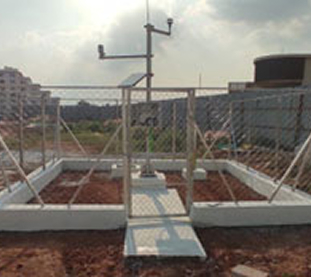
Weather Monitoring Station (WMS): Automatic Weather Station At Chanakya University
Empowering Climate-Smart Agriculture at Chanakya University
The Weather Monitoring Station (WMS) at Chanakya University is a cornerstone initiative under the Centre for Sustainability, aimed at delivering hyperlocal, real-time weather insights to empower farmers, inform climate research, and support data-driven teaching.
Why WMS?
Agriculture is highly sensitive to weather variability. The WMS enables farmers in and around Devanahalli to make informed decisions regarding:
- Irrigation scheduling
- Fertilizer and nutrient management
- Pest and disease control
By integrating weather data into local practices, the WMS strengthens climate resilience and rural livelihoods.
Academic Integration
The WMS is an active learning resource in courses such as:
- Organic Farming
- Sustainability & Climate Change
It fosters student engagement in hands-on data analysis, forecasting models, and interdisciplinary research projects—linking technology, agriculture, and sustainability.
Research & Innovation
The station contributes to:
- Climate modeling and forecasting
- Rainfall variability analysis
- Development of agromet advisories
- Machine learning models for hyperlocal prediction
Impact Goals
- Enhance decision-making in smallholder agriculture
- Improve yield and reduce input costs
- Build adaptive capacity to face climate risks
IOT Sensors: Soil and Vegetation Analysis
The Centre has enabled use of advanced sensors as data collection platforms for soil and vegetation studies

SoilX
- Technology: Hyper spectral spectroscopy covering UV-VIS-NIR (410nm-940nm) range
- Application: Portable, field-ready soil testing with instant AI-driven insights
- Functionality: Detects soil nutrients, moisture, microbial activity, and carbon content etc. SoilX measures about 21 soil parameters including.
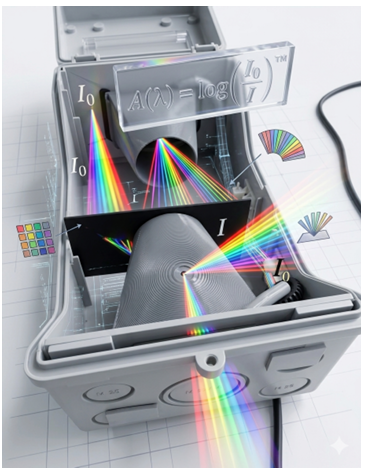
LABX DUAL
LabX is a compact dual-spectrometer platform designed for advanced multi-spectral analysis across research applications.
Key capabilities:
- Captures high-resolution spectral fingerprints of samples
- Operates in both Transmission and Reflectance measurement modes
- Enables multi-modal spectral analysis for diverse materials
- Provides insights into chemical composition, molecular interactions, and structural properties
- Supports research across biological, chemical, and material science domains.
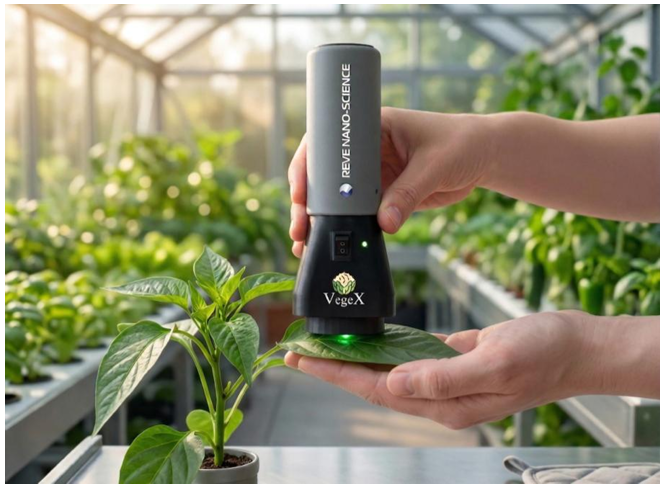
SpectraX/Hand Held Plus
Used in Digital Farming
- Soil health estimation
- Organic verification
- Nutrient & carbon insights
- Fertilizer optimization
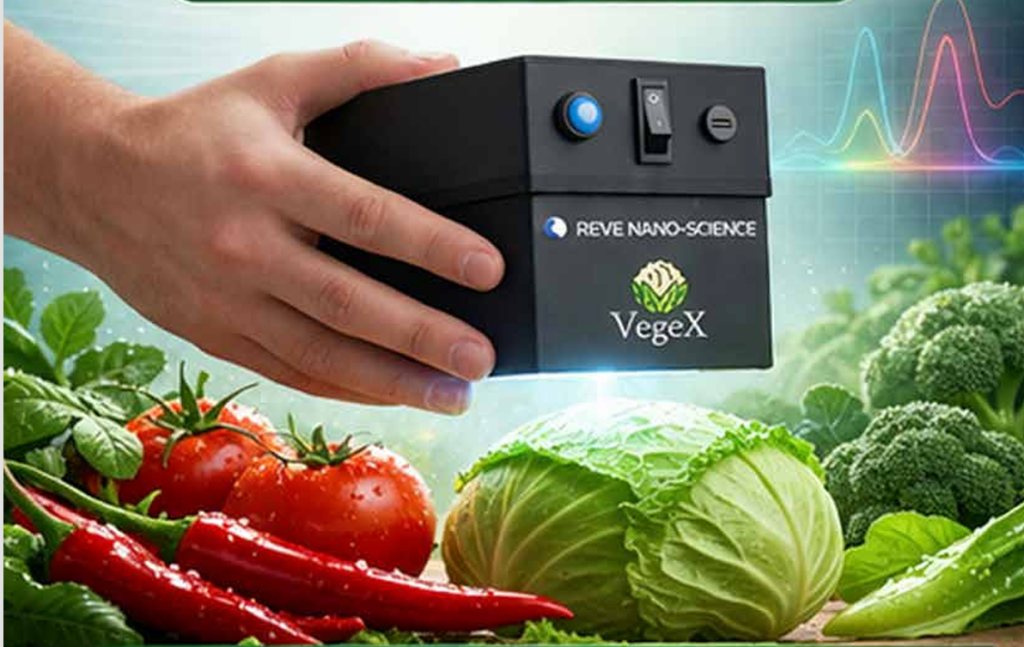
VegeX
- Application in organic verification
- Crop Quality Monitoring
- Rapid Screening
Research Projects
Urban Water Monitoring
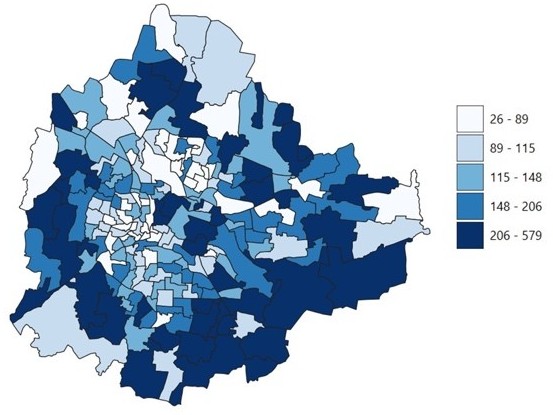
The image depicts ward-wise monthly water usage – based on inputs from Govt sources
This project aims to address Bengaluru’s summer water crisis through a comprehensive demand–supply analysis. It integrates geospatial data, public source datasets, and other climate data to generate maps on water stress, forecast future demand for water, explore future water needs and also identify flood-prone areas and groundwater-stressed zones. The project aims to explore digital geospatial data analytics to organize multi-stack GIS data including time series data from space for suitable solutions. The study also plans to identify strategies related to rainwater harvesting and wastewater reuse. The outcomes of the project shall be brought out into public domain for sensitization and possible usage by the concerned authorities. This shall aid the Planners and decision makers to appropriately utilize the outcome towards possible implementation for sustainable use of resources. A GIS layer depicts outcome map of the research.
Terrain based Resource Planning – Peri-urban development
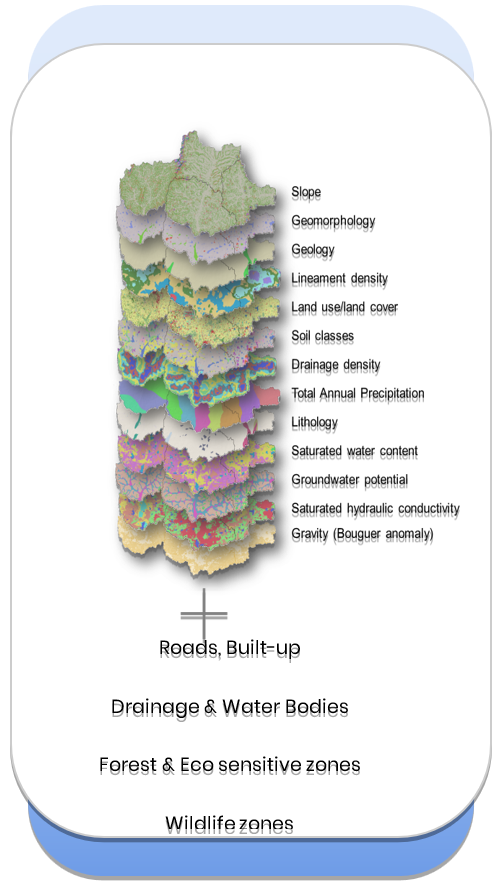
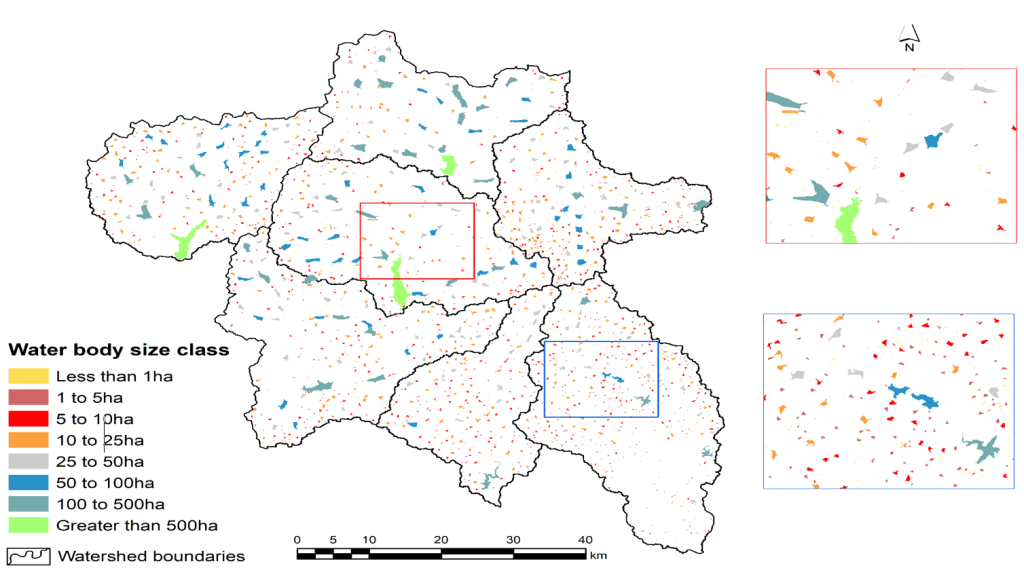
This project aims to use terrain related data, derived from satellite stereo images that results in Digital Elevation Model (DEM), to generate important geospatial parameters for planning and development of a typical peri-urban area. The main focus of such a study is to conserve soil and water in an area bound by the watershed characteristics. Various input parameters, such as, base layers (roads, rails, village boundaries etc), land use, soil, geology, geomorphology, structures, contours, Slopes/ Gradients, Drains, surface waterbodies, Watershed boundaries etc., are used on a GIS Platform for achieving objectives of conservation. One of the other objectives is to rejuvenate major waterbodies and lakes using hydrological modelling methods and scientific characterization of any given catchment / watershed area. The intention is also to map and explore possible rejuvenation of traditional water-harvesting systems, such as, kalyanees and kattes in a given area. To demonstrate the tools and technologies proposed under the project, Hoskote watershed is taken as the study area, which also represents Peri-urban area in the North-eastern parts of Bengaluru. The initiative also aims to foster community level engagement, develop policy recommendations, and create a replicable peri-urban water management model for regions around Bengaluru. A few outcomes and conceptual framework of the project are highlighted here.
A Multi-layer modelling approach under Geospatial modelling platform is being developed to derive action plans that can be implemented as part of the project.
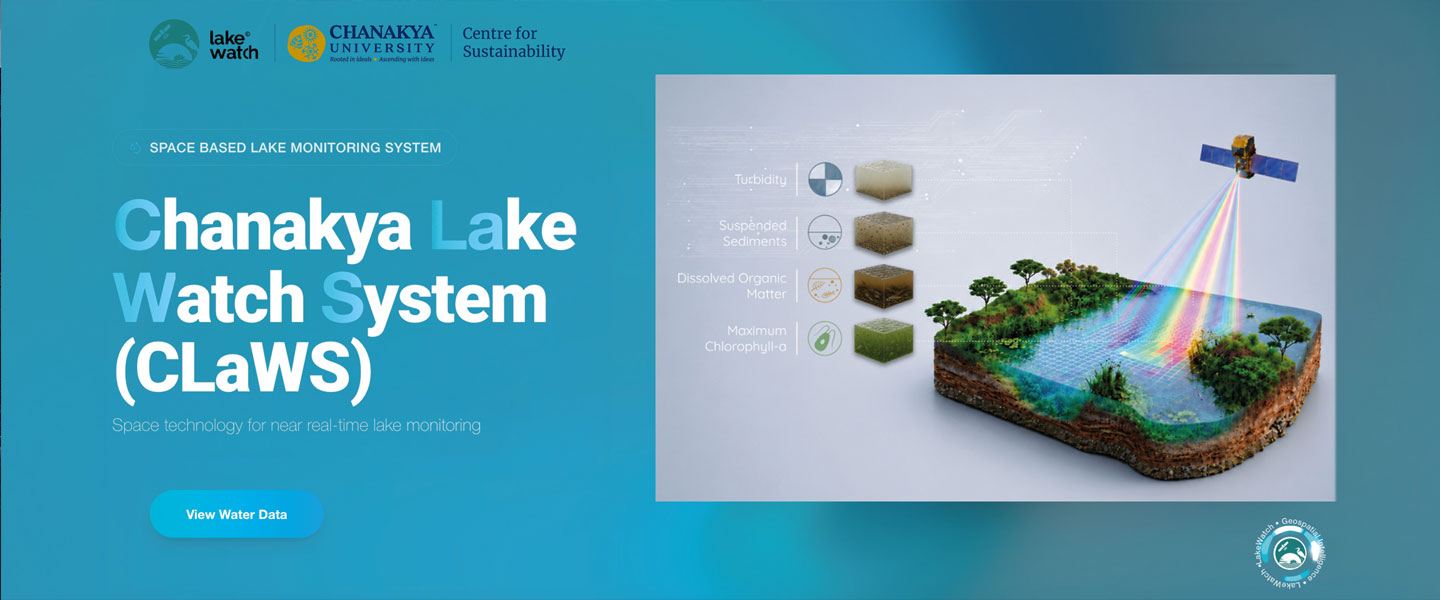
Lake Watch – Water Quality Monitoring
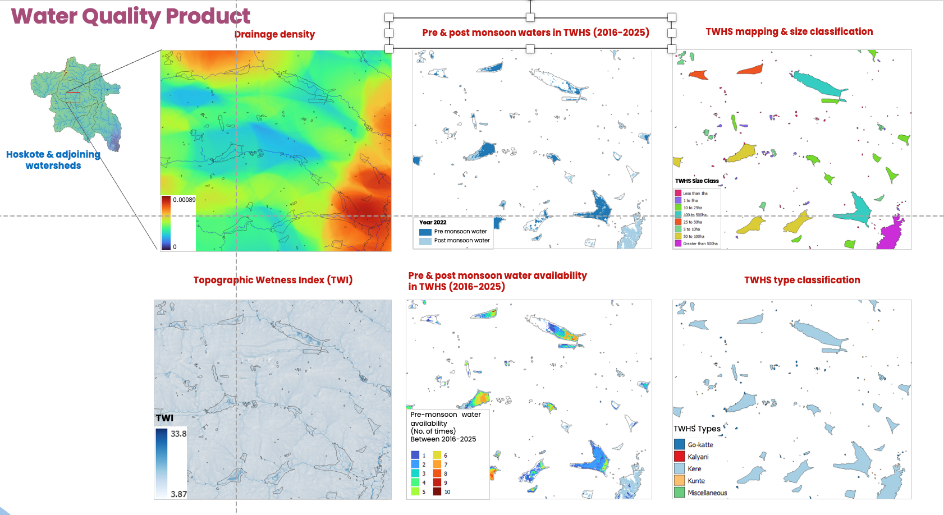
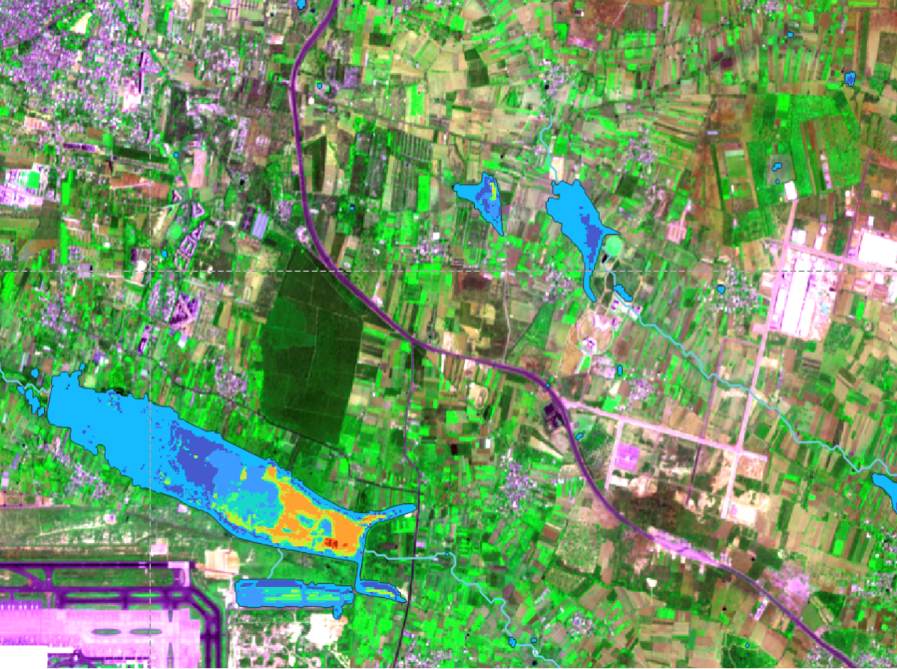
As part of the above information system, the center is also carrying out geo tagging of all major water bodies/lakes and highlighting basic water quality parameters. Satellite images of Hoskote watershed is analyzed using four different water quality indices to highlight parameters like turbidity, chlorophyll, suspended sediments etc. While a time series database of a decade is created for water quality, a robust monitoring system is also designed for implementation. It is envisaged to monitor multi seasonal water quality parameters on a bi-monthly basis in the Hoskote watershed and surroundings on a pilot mode to highlight water quality dynamics. On further examination of the results the same methodology shall be extended to the lakes and water bodies of entire Bangaluru.
Click here to know more
Click here to view Lake Watch Newsletter
EnviroWatch – Air Pollution Monitoring System (AQMS)
Anthropogenic activities across many cities are rapidly increasing and causing serious threat to environmental issues across the country. Some of the major cities in India are experiencing very critical Air Quality conditions which are to be addressed on priority. To address the problem of Air Quality and also to find a solution, it is most essential that the source pollutants are first isolated. Most of the Indian cities are experiencing serious situation due to bad air quality and there are no systematic approach for data collection and monitoring towards finding solutions. To address these and also the challenges of predictive modelling of air pollution, necessary action is taken by the Centre. The proposed AQMS plans to address the issue of proper data acquisition and mathematical modelling to enable scientific analysis and assessment of pollution levels across the city. Bengaluru is taken up as the pilot city for design, development and deployment of such a system to provide simple and meaningful data/ information to the common citizen on the pollution parameters that are accurate and reliable. The project envisages to deploy necessary air pollution measuring devices at various locations in and around Bengaluru. Each of these devices shall regularly transmit data on various pollution parameters, including some weather parameters, to an identified cloud computing system. The data sets from each of the locations are received and processed on the Cloud using appropriate mathematical models. The processed data is further used in a comprehensive analysis to provide pollution information to the citizens across Bengaluru city. The system also envisages to provide predictions/ forecasts on pollution parameters and provide regular perspectives on different types of emissions including the possible source. Such an information system should help the Government in better understanding of the air pollution problem and work towards sustainable solution.
Opportunities
Call for Applications: Non-Resident Fellow
Centre for Sustainability, Chanakya University
The Centre for Sustainability at Chanakya University is inviting applications for the position of Non-Resident Fellow to support field-based research and data collection activities in the Devanahalli region.
Position Details
Duration: 6 Months (Field-Based)
Location: In and around Devanahalli farms
Salary: ₹50,000 per month
Eligibility Criteria
Applicants must hold a:
B.Sc. / M.Sc. in Environmental Sciences, Life Sciences, or a related field
Demonstrated interest in sustainability, agriculture, or field research preferred
Key Responsibilities
Conduct structured field surveys with farmers and stakeholders
Assist in data collection, documentation, and reporting as part of ongoing sustainability projects
Collaborate with the Centre’s research team to support publications and outreach
How to Apply
Interested candidates may email their CV and a brief cover note to:
Sustainability@chanakyauniversity.edu
Subject line: Application for Non-Resident Fellow – Devanahalli
Application Deadline
Date : 30-08-2025
This fellowship offers an opportunity to contribute directly to ground-level sustainability initiatives while engaging with interdisciplinary academic research and community development.
Contact Us
Get in touch with us for inquiries, feedback, collaborations, or any assistance related to our educational programs.
Sustainability@chanakyauniversity.edu.in
