
Lectures on Sino-Indian History of Science
23–24 February 2026
Chanakya University, Bangalore
Two Distinguished Lectures
Speaker Information
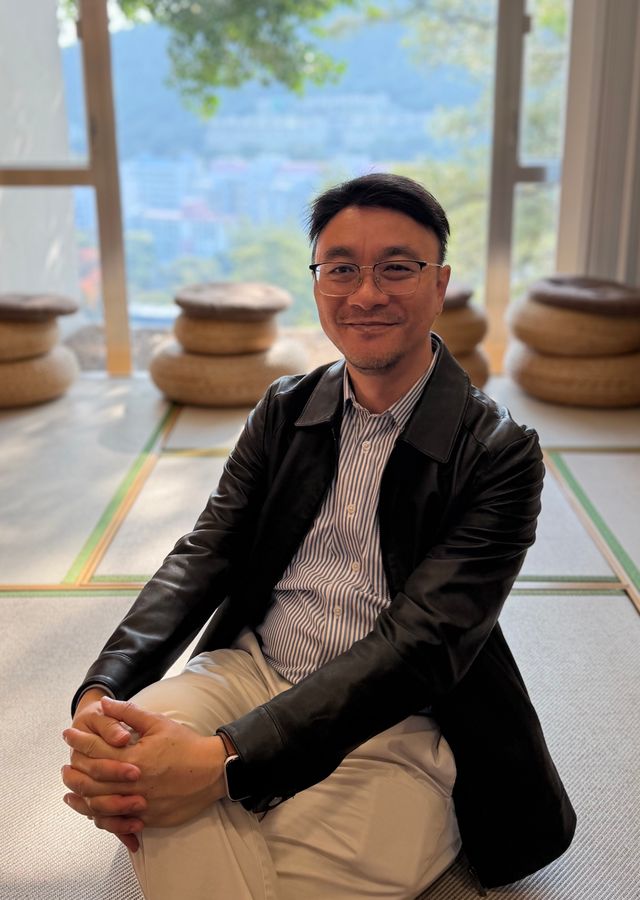
Bill M. Mak
Professor of History of Science at the University of Science and Technology of China
Research Associate, Needham Research Institute, Cambridge
Bill M. Mak is Professor of History of Science, University of Science and Technology of China, and Research Associate of the Needham Research Institute, Cambridge, U.K. His areas of research include the history of science in Asia, Sino-Indian historical relations, and Mahāyāna Buddhism. He completed his linguistic training at McGill University (B.A. Hons.) in 1996, specialising in Sanskrit and East Asian languages. After receiving his PhD in Indian languages and literature from Peking University in 2010, he held several research and teaching positions in Hong Kong (University of Hong Kong), Germany (Hamburg University), and Japan (Kyoto University). Mak has authored over 30 academic articles in peer-reviewed journals and is co-editor of Overlapping Cosmologies in Asia, published recently by Brill. He is now completing a book project titled Foreign Astral Sciences in China, from the Six Dynasties to the Northern Song, published by Routledge under the Needham Research Institute Monograph Series.
Lecture Schedule
23 February 2026
Title : Monks, Merchants, and the Stars: The Journey of Astral Knowledge from India and Eurasia to China
Abstract
This lecture explores how astral knowledge travelled across Eurasia and took root in China during the first millennium CE. Through a series of case studies, it examines moments of intercultural scientific dialogue in which monks, merchants, and travellers from India and other parts of Eurasia engaged with Chinese intellectual and religious communities during some of China’s most cosmopolitan periods. Drawing on close comparisons between Chinese sources and parallel materials preserved in their original languages—most notably Sanskrit and Pāli Buddhist texts, as well as works associated with Nestorian, Zoroastrian, and Manichean traditions—the lecture highlights concrete processes of transmission, adaptation, and reinterpretation. By foregrounding the human agents and cultural contexts that shaped these exchanges, it offers a nuanced account of how foreign astral sciences were negotiated, transformed, and localised in China, thereby shedding new light on the broader role of cross-cultural scientific exchange in East Asian history. The case studies and key findings presented in this lecture are drawn from the author’s recent book, Foreign Astral Science in China— from the Six Dynasties to the Northern Song (Needham Research Institute Monograph Series, Routledge).
24 February 2026
Title : India and China: 2500 Years of Shared Wisdom, Innovation, and Influence
Abstract
For over two and a half millennia, India and China have been among the world’s most enduring
and influential civilizations, shaping the course of Eurasian history through philosophy, science,
and governance. This lecture explores their long shared history, highlighting both commonalities and striking differences, and examines how ideas, technologies, and ethical principles travelled between them. Focusing on three key areas—ethics and philosophy, geopolitics, and scientific advancement—the lecture draws connections between the past and the present, asking how these ancient civilizations can continue to thrive and contribute to the challenges of the twenty-first century. Through vivid examples and a broad historical lens, students will gain a deeper appreciation of the remarkable interplay between India and China and the enduring lessons it offers today.