Exploring Youth Transitions: From Learning to Earning in India’s Labour
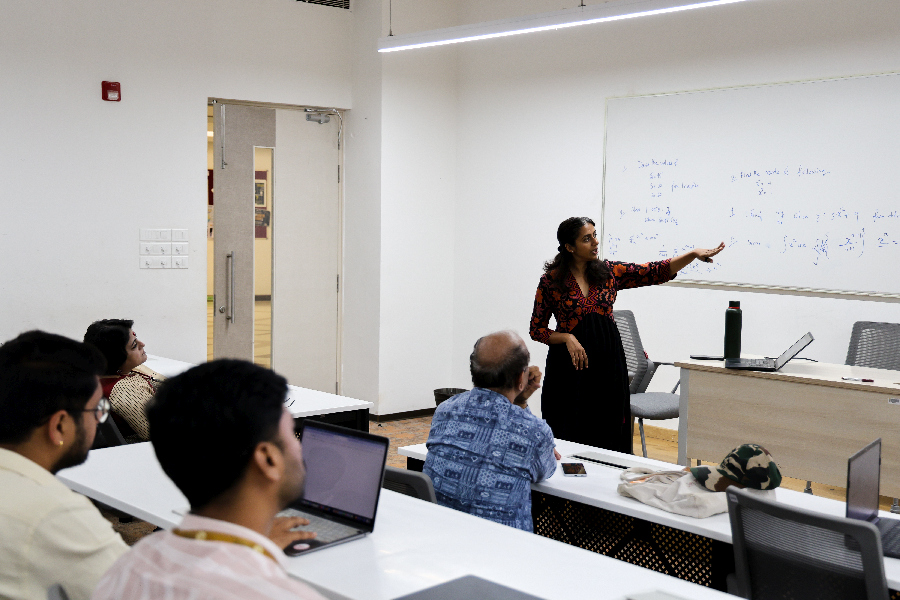
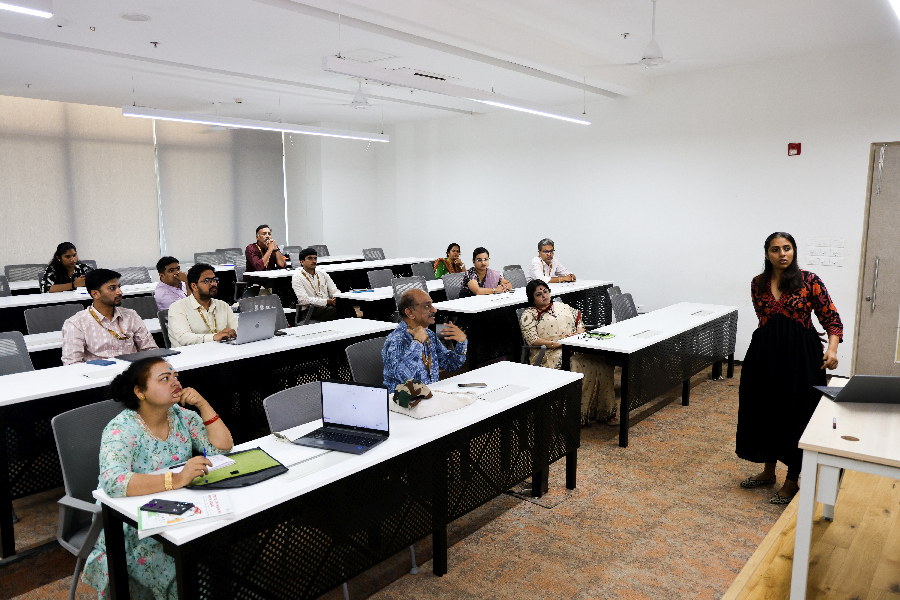
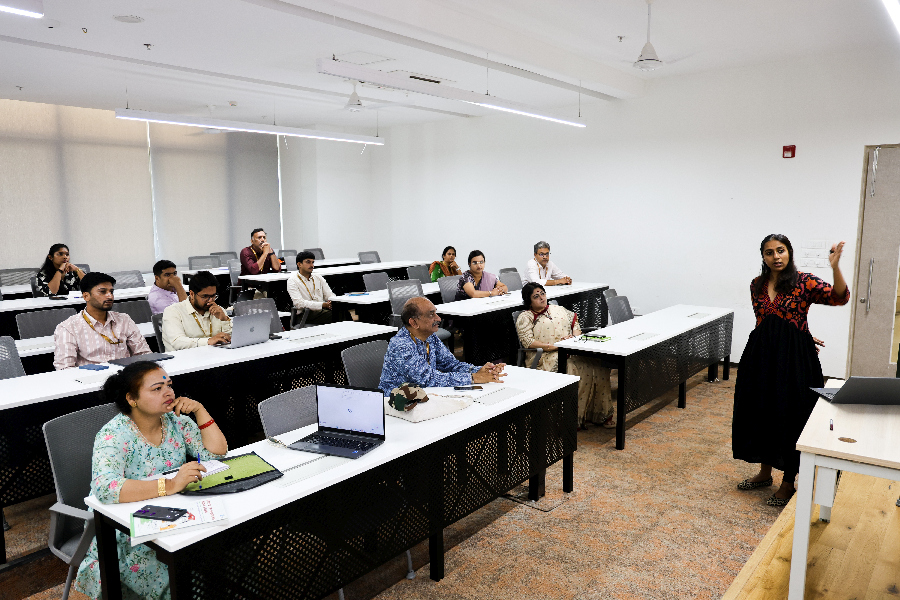
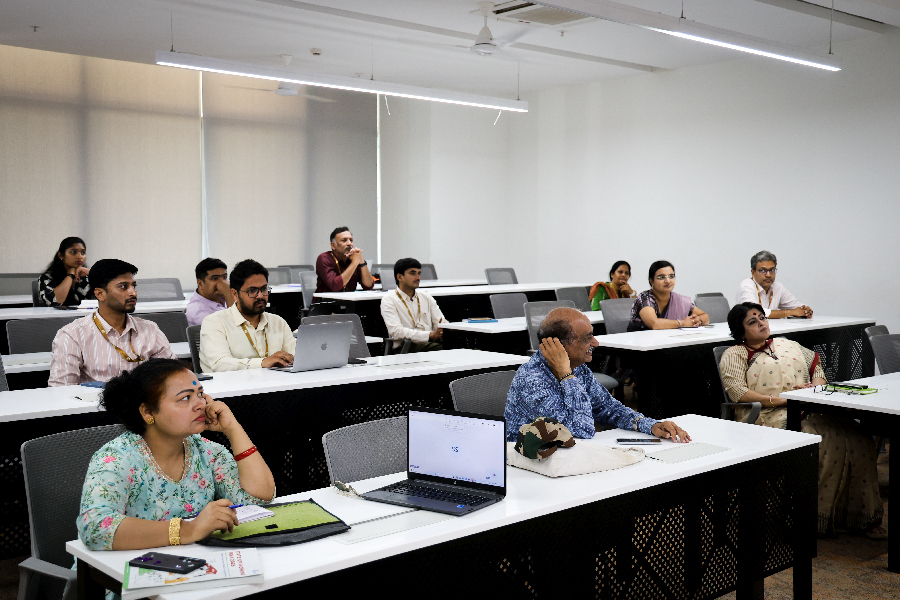
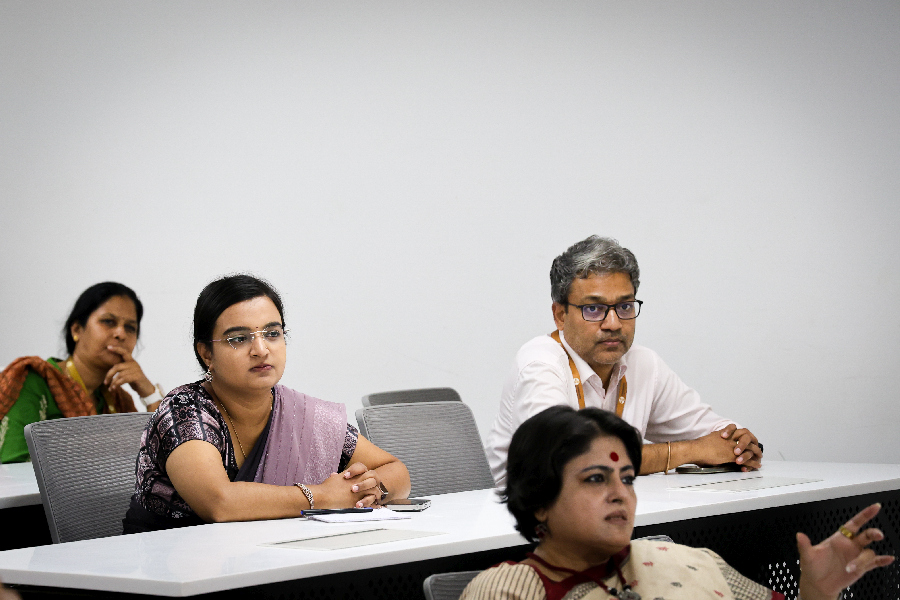
The 47th session of the Research Exchange Forum (REF) featured an insightful presentation on the landmark report, State of Working India 2026: Youth in the Labour Market – Pathways from Learning to Earning, published by the Centre for Sustainable Employment (CSE), Azim Premji University.
The Centre for Sustainable Employment is a leading research hub dedicated to advancing knowledge on job creation, employment, and sustainable livelihoods. The session provided a comprehensive overview of the challenges and opportunities shaping youth employment in India today.
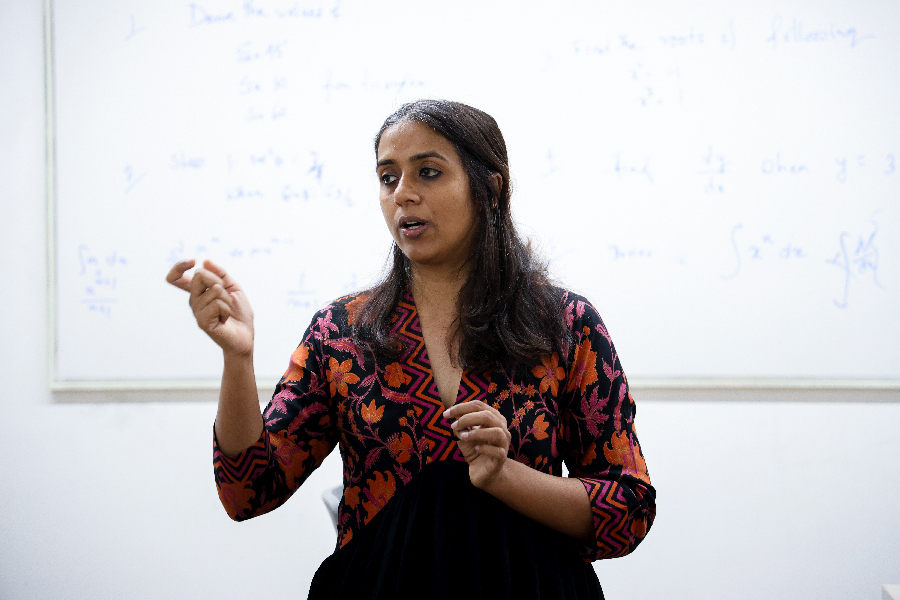
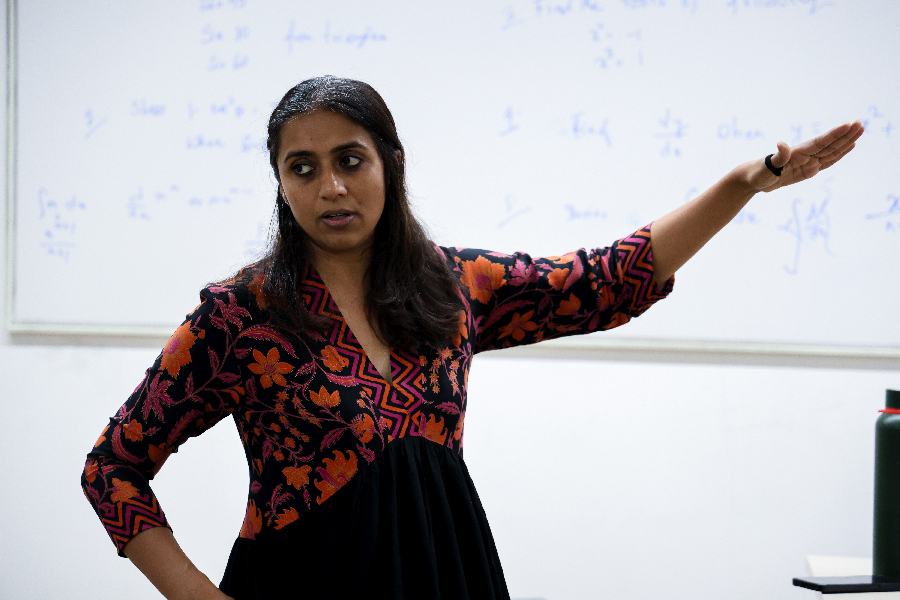
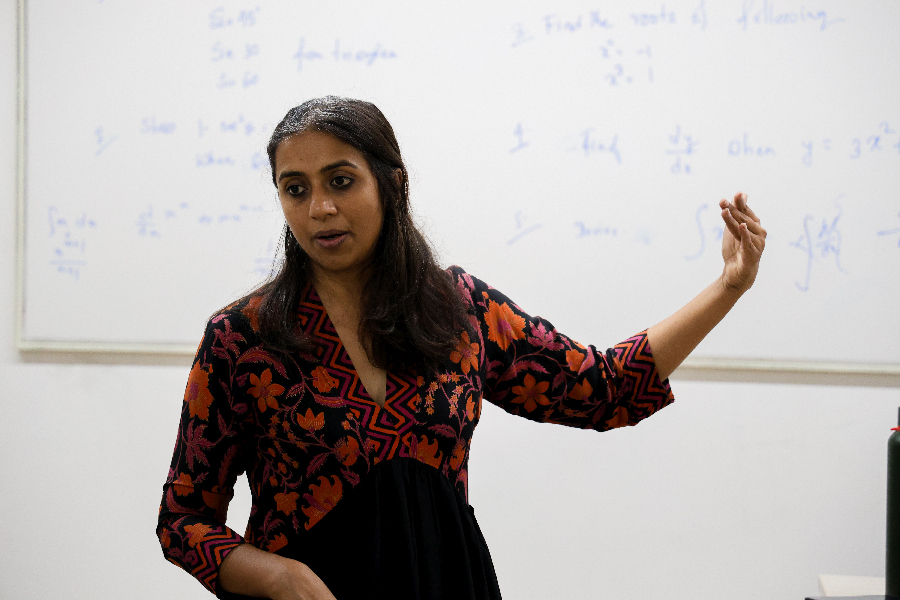
The session was delivered by the report’s lead author, Dr. Rosa Abraham, an economist specializing in India’s labour market, currently serving as the Head of the Centre for Sustainable Employment along with co-author Dr. Tamoghna Halder, an applied economist whose work explores how historical institutions shape long-term inequality, social mobility, and development outcomes, offering valuable perspectives grounded in extensive research and data analysis.
The presentation centred on India’s evolving labour market and the critical transition from education to employment, especially among youth.
- India’s Demographic Moment
India is currently nearing the peak of its demographic dividend, with the working-age population expected to begin declining after 2030. This makes the present decade crucial for maximizing employment opportunities for young people.
- Expansion and Democratisation of Education
Higher education in India has seen rapid growth, resulting in:
- Increased access to universities and colleges
- A broader and more diverse student population
Graduates generally experience higher earnings compared to non-graduates, both at entry level and across their careers.
- Persistent Barriers
Despite expansion, structural challenges remain:
- Financial constraints continue to limit access, particularly in professional education (e.g., engineering, medicine)
- Inequities persist across socio-economic groups
- Employment Mismatch
A key concern highlighted in the report is the disconnect between education and employment:
- The number of graduates has increased significantly
- However, job creation—especially for graduate-level roles—has not kept pace
- The Transition Challenge
The report maps the journey of young individuals from school/college into the workforce, highlighting:
- Delays in securing employment
- Shifts in job quality and stability
- Changing patterns over the last 40 years
The State of Working India 2026 report provides an evidence-based understanding of:
- Youth employment dynamics
- Structural inequalities in access to education and jobs
- Long-term trends in the labour market
It serves as an essential resource for:
- Policymakers
- Researchers
- Educators
- Industry stakeholders
Access the Full Report
The full report can be accessed here:
https://azimpremjiuniversity.edu.in/publications/2026/report/swi-2026