International Conference on Bhāratīya Arthaśāstra Tradition
Theories, Practices, and Contemporary Relevance
October 29th to 31st, 2026

About
The Bhāratīya Arthaśāstra Tradition (BAT) encapsulates the profound insights derived from Bhāratīya classical texts, notably articulated by Kautilya in his treatise. At its core, Arthaśāstra explores the acquisition (lābha) and sustenance (pālana) of artha (wealth and resources, particularly land)—a concept central to governance, economy, and statecraft. Extending beyond its historical roots, BAT remains relevant in contemporary social sciences, influencing fields such as Law, Sociology, Public Policy, and International Relations.
This tradition is not limited to literary sources like śāstra texts and case studies but also integrates non-literary aspects, offering a comprehensive framework for understanding management, governance, and business studies. Through a rich tapestry of ancient wisdom, BAT provides indigenous perspectives that continue to inform modern societal and administrative structures.
Although Kauṭilya’s Arthaśāstra is the most well-known text in this tradition, its origins predate him. BAT encompasses a wide array of śāstric texts, including Cāṇakya Sūtras, Nītiśāstra, and Dharmaśāstra texts, as well as relevant sections from the Rāmāyaṇa and Mahābhārata. These texts, rich in strategic wisdom, provide insights comparable to modern social sciences, reinforcing the tradition’s interdisciplinary significance.
Thus, the term Bhāratīya Arthaśāstra Tradition (BAT) serves as a comprehensive descriptor for all śāstric traditions related to ‘Artha’, offering a holistic understanding of economic and political thought within the Bhāratīya intellectual tradition.
This conference seeks to explore the evolution of Arthaśāstra across different periods, analyze its practical applications in contemporary governance and economic frameworks, and promote an interdisciplinary engagement with its principles. By bringing together scholars, policymakers, and practitioners, this event will serve as a platform to critically examine the enduring legacy of BAT and its relevance in today’s rapidly evolving political and economic landscape.
Themes

Foundations of Bharatiya Arthaśāstric Thought
- Unexplored classical literature on Bhāratīya Arthaśāstric tradition
- Influence of Arthaśāstra on later political thought
- Comparative analysis with other political thoughts

Economic Theories and Practices
- Trade, commerce, and taxation in ancient India
- Resource management and sustainability principles
- Economic justice and wealth distribution

Governance and Public Administration
- Exploring Public administrative principles through various travelogues
- Case studies on effective governance
- Diplomacy, war, and peace strategies

Relevance in Contemporary Policymaking
- Lessons for modern economic policies
- Arthashastra’s relevance in geopolitics and international diplomacy
- Sustainable development and governance models

Interdisciplinary Perspectives
- Intersection of Arthaśāstra with law, philosophy, sociology and political science
- Application of Arthaśāstric principles in Business management
- Digital economy and Arthaśāstric insights
Important Dates
Call for papers and important deadlines:
- Abstract Submission Deadline: 20th February 2026
- Notification of Acceptance: 20th March 2026
- Full Paper Submission: 20th June 2026
- Notification of Acceptance: 30th June 2026
- Conference Dates: 29th to 31st October 2026
Special Talks and Panel Discussions
Resource Persons
- Prof. Ganti S Murthi (IKS, MoE, Govt. of India)
- Sri Gauranga Das Prabhu ji (ISKON Organisation)
- Prof M S Chaitra (FSIC, Bengaluru)
- Prof. Jose P Verghese (Author- Kautilya Arthashastra Sr Adv. SC of India)
- Prof. Koenrad Elst (Independent Scholar, Author)
- Sri. Ashish Kumar Gupta (Founder, Jivika Ashram, Jabalpur)
- Dr R Balasubramaniyam (Niti Ayog)
- Dr Vinayak Rajat Bhat (Arthashastra Scholar and Author)
- Dr Vishwanathan (Vyoma Linguistic Labs)
- Dr Sameer Pande (Chief Reviewer, Journal of Sanatana Dharma)
- Sri Shivakumar (Indica Kautilya Centre for Public Policy)
- Vid. Srinivas Jammalamadaka (Brihat)
- Dr. Bharat Dash (Sri Sri University)
- Dr. Srinidhi Pyati (Purnaprajna Research Institute, Bengaluru)
- Sri Sandeep Balakrishna (Author)
- Dr J K Bajaj (CPS Chennai)
- Dr Kajari Kamal (TDU, Takshashila Institution, Bengaluru)
- Prof. (Dr.) Sriparna Pathak (Jindal School of International Affair, Sonipat Haryana)
- Dr. Nanda Kishor M S (Pondichery University)
- Sri. Raghava Krishna (Brihat)
- Prof. B. Mahadevan (IIM Bengaluru)
Many more to come…!
Special Talks and Panel Discussions
Eminent Speakers and Panellists
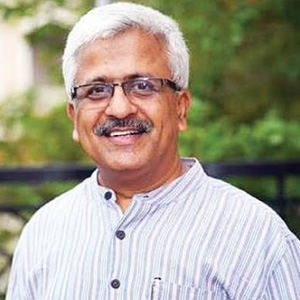
Dr. R. Balasubramaniam
Member, NITI Aayog;
Chairperson, SEBI Social Stock Exchange Advisory Committee

Sri Gauranga Das Prabhu
Governing Body Commissioner, ISKCON;
Director, Govardhan Ecovillage;
UNEP Faith for Earth Counsellor;
Administrative Director, Bhaktivedanta Research Centre

Dr. Koenraad Elst
Indologist, Author & Independent Researcher;
Sanchi University of Buddhist and Indic Studies (SUBIS), India
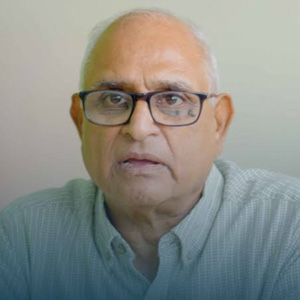
Prof. J. K. Bajaj
Founding Director, Centre for Policy Studies, Chennai
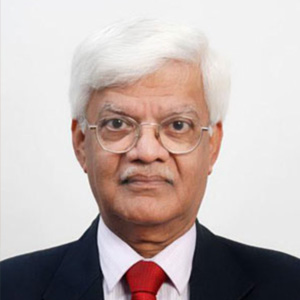
Prof. Jose P. Verghese
Senior Advocate, Supreme Court of India;
Author of Kautilya Arthashastra
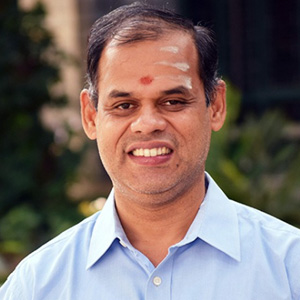
Prof. B. Mahadevan
Former Professor, IIM Bangalore;
Founder Vice-Chancellor, Chinmaya Vishwa Vidyapeeth
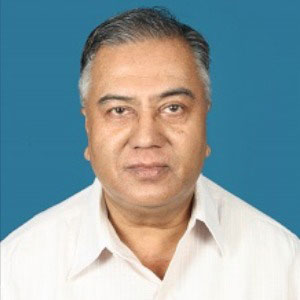
Prof. M. D. Srinivas
Chairman,
Centre for Policy Studies, Chennai
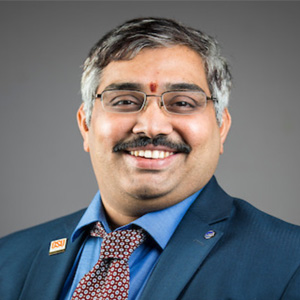
Prof. Ganti S Murthi
National Coordinator, IKS Division, MoE
Professor, IIT Indore

Prof M S Chaitra
Associate Professor, TDU;
Director & Senior Fellow, Foundation for the Study of Indian Culture, Bengaluru.

Sri Sandeep Balakrishna
Founder & Editor, The Dharma Dispatch; Author and Independent Researcher
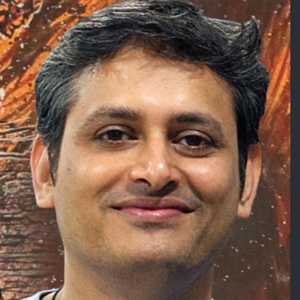
Sri Raghava Krishna
Founder & CEO, Bṛhat;
Former Co-founder & Associate Dean Academics, Rashtram School of Public Leadership

Dr. Kajari Kamal
Associate Professor, The Takshashila Institution, Bengaluru; Author

Dr. Nanda Kishor M. S.
Head & Associate Professor, Department of Politics and International Studies, Pondicherry University
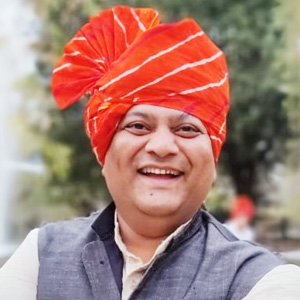
Shri Ashish Kumar Gupta
Founder, Jeevika Ashram, Indrana, Jabalpur, Madhya Pradesh
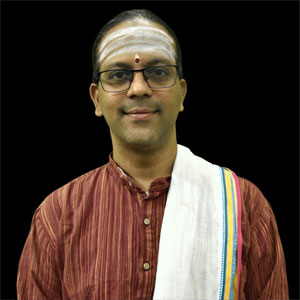
Dr. C. A. Viswanathan P.
Co-founder & CEO, Vyoma Linguistic Labs Foundation

Dr Vinayak Rajat Bhat
Senior Subject Matter Expert, IKS, Vyoma Linguistic Labs Foundation
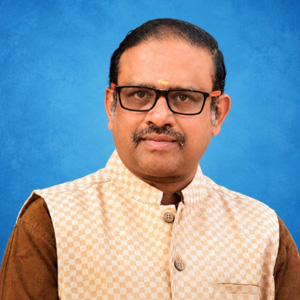
Shri Shivakumar G. V.
Director, INDICA Kautilya Centre

Prof. (Dr.) Sriparna Pathak
Professor of China Studies, O. P. Jindal Global University;
Founding Director, Centre for Northeast Asian Studies

Vid. Srinivas Jammalamadaka
Director, IKS Research, Brhat Educational Trust;
Co founder, Sri Kameswari Foundation
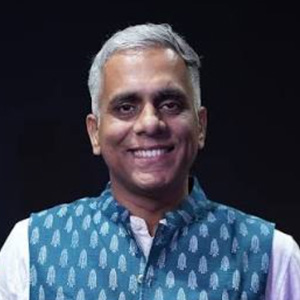
Dr. Bharat Dash, Ph.D.
Acting Dean, Faculty of Eastern Knowledge Systems, Sri Sri University;
IKS Master Trainer, Ministry of Education, Government of India

Dr. Sameer Pande
Chief Reviewer, Journal of Sanatana Dharma (JoSD)
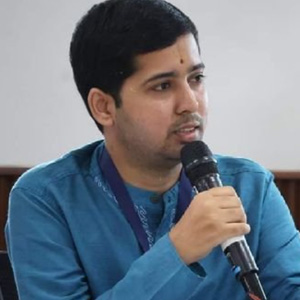
Vid. Dr. Srinidhi Pyati
Director, Vyāsatīrtha Saṃśodhana Mandira, Mysuru

Shri Kashyap Naik
Advocate, Agraa Legal, Bengaluru
Many more to come…!
International Conference on Bharatiya Arthashastra Tradition 2026
29 – 31 October 2026
- 09:00 – Registration
- 09:30 – Inauguration
- Keynote
- Invited Talk
- 14:00 – 16:00 – Thematic Presentation & Parallel Technical Sessions
- 16:15 – 17:45 – Panel Discussion I: Indian Political Thinkers of the 19th and 20th CE
- 09:15 – 11:15 – Thematic Presentation & Parallel Technical Sessions
- 14:00 – 16:00 – Panel Discussion II: Modern Governance and Enduring Problems: Theory, Practice, and the Gap Between
- Invited Talks
- Keynote
- Cultural Evening
- 09:15 – 10:45 – Thematic Presentation & Parallel Technical Sessions
- 11:00 – 12:30 Panel Discussion III: Arthaśāstra for the Future: New Directions and Applications
- Invited Talk (Open House)
- 15:00 – 16:30 – Valedictory
Venue
Chanakya University Global Campus
NH – 648, Haraluru – Polanahalli,
Near Kempegowda International Airport,
Devanahalli,
Bengaluru – 562165
Contact
Please do not hesitate to contact us with any questions you may have regarding BAT 2026. Feel free to contact us at:
iks-centre@chanakyauniversity.edu.in
Organiser :
Centre for Indian Knowledge Systems
Our Collaborators
Supported by
Knowledge Partners

Publication Partner